Discover our comprehensive guide on cranial osteopathy for babies. Learn about its safety, what the evidence says and best practices from qualified osteopaths, with information from the NHS.
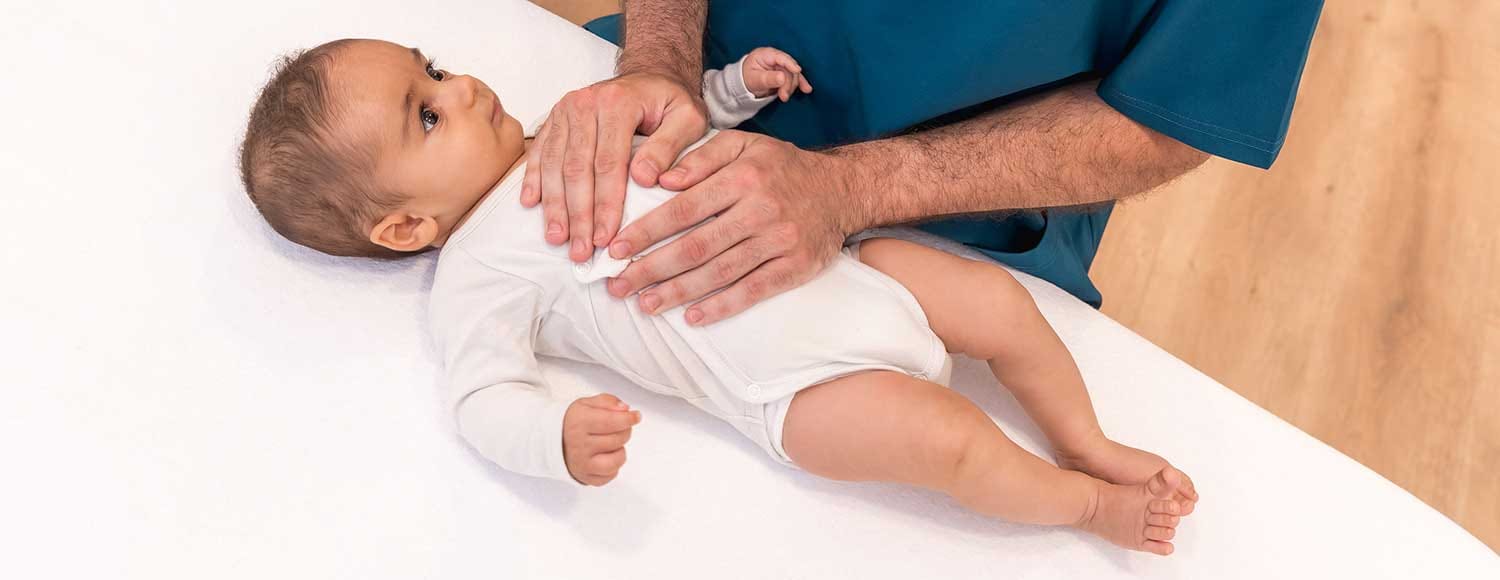
When it comes to the well-being of our little ones, every parent wants to be sure that any treatment or therapy is effective and safe. Cranial osteopathy is one such treatment that has generated significant interest among parents seeking alternative approaches to support their baby’s health. This comprehensive guide will explore whether cranial osteopathy is safe for babies, examine its potential benefits and risks, and provide expert advice on choosing the right practitioner.
Cranial osteopathy is a branch of osteopathic medicine that focuses on the subtle movements and rhythms within the skull and cranial bones. This practice is based on the idea that the human body is a self-regulating organism, and even the tiniest adjustments in the cranial area can significantly impact overall health.
Cranial osteopathy involves a trained practitioner using light, gentle manipulations on a baby’s skull to release restrictions in the cranial sutures, the soft joints between the skull bones. Because babies are born with malleable skulls, many believe such gentle adjustments can promote natural healing, improve sleep, reduce colic, and support overall development.
The principles behind cranial osteopathy rest on the idea that the body’s innate healing mechanisms can be stimulated through subtle adjustments. Here’s a closer look at how this therapy is applied to infants:
During a session, the practitioner gently places their hands on the baby’s head and sometimes other parts of the body. The pressure applied is exceptionally light, often described as barely perceptible. This careful touch is believed to help correct minor restrictions in the cranial bones, potentially improving the baby’s overall comfort and function.
Proponents of cranial osteopathy suggest that these gentle adjustments can help balance the fluids within the central nervous system and promote optimal blood circulation. Consequently, this may assist in regulating functions such as digestion and sleep patterns, which are crucial during a baby’s early developmental stages.
Any practitioner performing cranial osteopathy on a baby must be trained in this delicate art. The professional’s qualifications can make a significant difference in ensuring the safety and efficacy of the treatment.
Cranial osteopathy’s safety for infants is a top priority for both parents and practitioners. When performed correctly by a qualified professional, cranial osteopathy is generally considered safe. However, reviewing current guidelines and evidence is essential to making an informed decision.
Osteopathic treatment for babies should be approached with caution, and parents should be fully informed of potential benefits and risks.
The National Health Service (NHS) also offers insights into complementary therapies. While the NHS does not universally endorse every alternative treatment, it does stress the importance of seeking care from accredited professionals who can provide clear, evidence-based advice.
A small number of studies have looked at cranial osteopathy in infants, and the research is limited. Research is limited, but studies so far have not linked cranial osteopathy, when performed by a qualified practitioner, with serious adverse effects. Furthermore, after undergoing cranial osteopathic sessions, many parents have reported improvements in their baby’s symptoms, such as reduced colic and enhanced sleep quality.
It is important to remember that every baby is unique. While cranial osteopathy is generally safe, what works for one child may not be suitable for another. Therefore, it is crucial to have a thorough consultation with a qualified practitioner who can assess your baby’s individual needs and provide personalised advice.
For many parents, cranial osteopathy’s potential benefits make it an attractive option for addressing common infant issues. Let’s take a closer look at some of the frequently cited benefits:
Many parents report that their babies experience improved sleep after undergoing cranial osteopathic treatment. By releasing tension in the cranial region, the therapy is thought to promote a sense of calm and relaxation, which can help establish more consistent sleep patterns.
Infant colic is a common concern for many families. Some people report that cranial osteopathy helps with colic, but the evidence is limited and inconclusive. Moreover, by enhancing the body’s overall balance, this therapy may contribute to better digestive function, reducing issues like reflux or constipation.
A gentle cranial osteopathic session may help relieve stress and promote balance within the body. This can be particularly beneficial during periods of rapid growth and development. As babies progress through these critical early stages, any improvement in comfort and function can have a positive impact on their overall development.
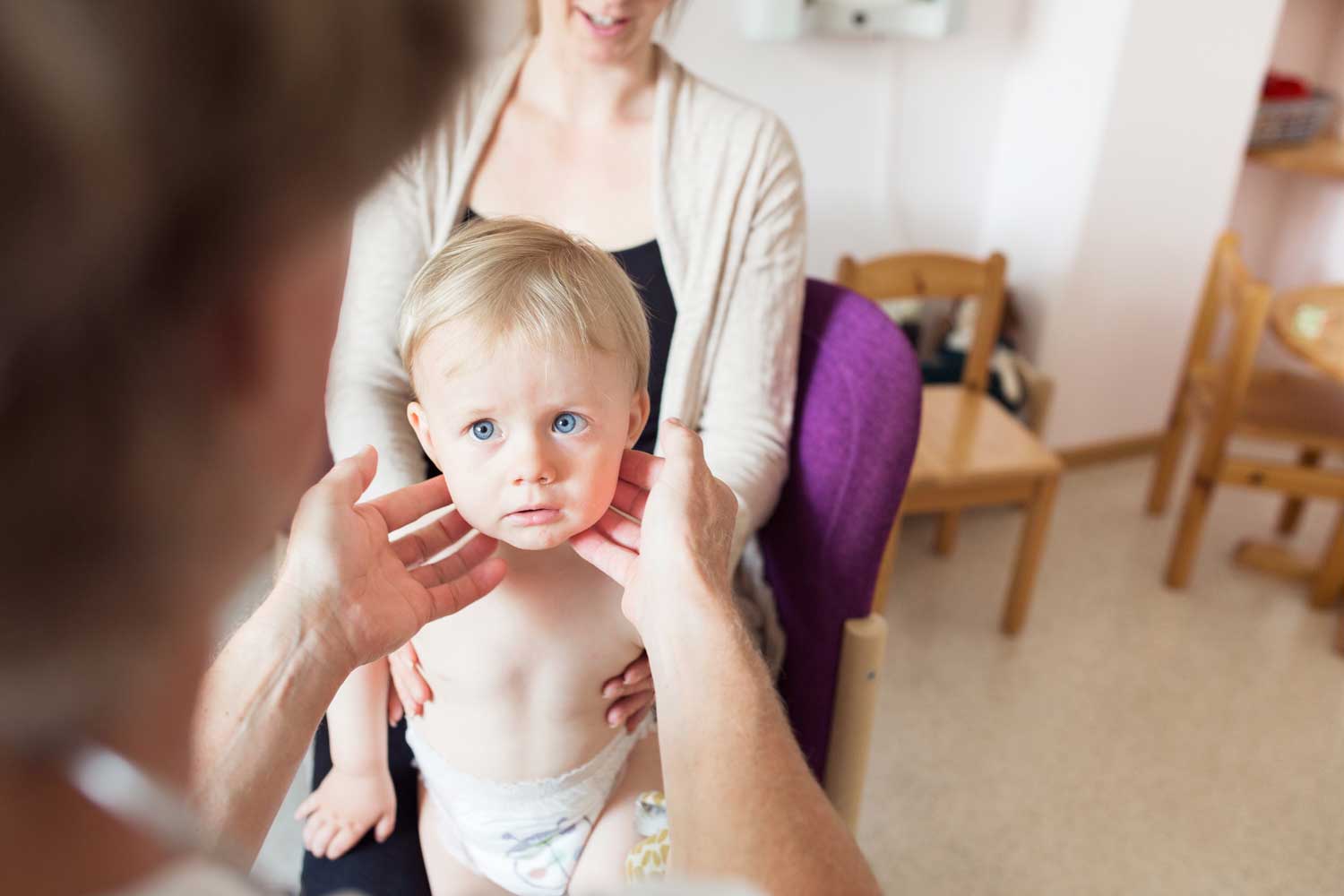
Choosing the right practitioner is essential to ensuring the safety and effectiveness of cranial osteopathy for your baby. Here are some key considerations to help you make an informed decision:
Experience is key when it comes to treating babies. Ask potential practitioners about their experience working with infants and whether they can provide references or testimonials from other parents. This not only builds trust but also reassures you that the practitioner is well-versed in handling delicate cases.
A reputable practitioner will take the time to explain the treatment process, address any concerns, and ensure that you are comfortable with the proposed approach.
Consider practitioners who offer integrated care for parents seeking a holistic approach to their baby’s health. An integrated approach ensures that all aspects of your baby’s development are considered and treatment is tailored to their unique needs.
Despite the growing popularity of cranial osteopathy, several myths and misconceptions still circulate among parents. Addressing these is important to ensure that you have a clear understanding of what the treatment entails.
One of the most common concerns is whether the gentle manipulations involved in cranial osteopathy might cause pain. The techniques are highly subtle and explicitly designed with the baby’s comfort in mind. Practitioners are trained to apply only the lightest pressure, ensuring the treatment is non-invasive and virtually painless.
Safety is always a priority in infant care. Research and expert opinion suggest that cranial osteopathy is generally considered low risk when performed by a qualified professional. Moreover, the therapy is carefully regulated, and practitioners adhere to strict guidelines to minimise potential risks.
While cranial osteopathy offers potential benefits, it should be viewed as a complementary therapy rather than a standalone solution. It is not intended to replace conventional medical advice or treatment. Instead, it can be used alongside traditional methods to support your baby’s health and well-being. Always consult your paediatrician before starting any new therapy.
It is important to note that, as with many complementary therapies, the research on cranial osteopathy is ongoing. Here, we summarise some of the key findings and opinions from experts in the field:
A few small studies have looked at cranial osteopathy for issues such as colic and sleep disturbances, but the evidence is limited and no firm conclusions can be drawn. More research is needed to establish the benefits, and results vary from baby to baby.
Professional bodies such as the General Osteopathic Council set standards for safe practice. According to these guidelines, transparency, proper training, and adherence to evidence-based practices are essential. Experts also emphasise the importance of consulting healthcare providers before initiating complementary therapy. This approach ensures that all aspects of your baby’s health are considered and that the chosen treatment is appropriate for their needs.

In summary, cranial osteopathy is emerging as a promising complementary therapy for addressing a range of infant issues, from colic and sleep disturbances to overall discomfort. When performed by a qualified professional, the treatment is generally considered safe for babies. However, as with any therapy, it is essential to approach cranial osteopathy with a well-informed mindset. Here are some final recommendations:
In conclusion, when administered by an experienced professional, cranial osteopathy offers a gentle and safe alternative for parents looking to support their baby’s health. The therapy’s focus on subtle cranial adjustments can help improve sleep patterns, alleviate colic, and promote overall well-being.
By staying informed, choosing qualified practitioners, and considering a holistic approach to treatment, parents can make confident decisions regarding the care of their babies. It is essential to remember that while cranial osteopathy holds promise, it is just one part of a comprehensive health strategy. With careful research and professional guidance, you can ensure your baby receives the safest and most effective care possible.
Ultimately, the decision to pursue cranial osteopathy should be made after thorough consideration and consultation with experts.
As you navigate the myriad of health options available for your child, always remember that a balanced approach, supported by trusted sources and professional expertise, will provide the best foundation for your baby’s healthy development. With the right information and guidance, you can confidently explore complementary therapies such as cranial osteopathy, ensuring that every decision you make contributes positively to your child’s future.
By following these guidelines and remaining vigilant about your information sources, you will be well-equipped to make the best choices for your baby’s health.
Ultimately, ensuring your baby’s safety and well-being is a collaborative effort that involves staying informed, asking questions, and seeking advice from qualified health professionals. With this comprehensive guide, we hope you feel empowered to explore cranial osteopathy as an option for your child’s care.
