
-
Where does it hurt?
Common conditions
Treatments
- Fees
- Corporate DSE
- Programs
- Shop
- Contact
Mappin House, 4 Winsley St, London W1W 8HF
Mappin House, 4 Winsley St, London W1W 8HF
Improve blood circulation and healing with expert osteopath care in London. Our osteopaths support optimal circulation and overall well-being.
Healthy circulation is fundamental to tissue repair, nutrient delivery and toxin removal. Consequently, when blood flow is compromised, body areas can become sluggish, leading to fatigue, inflammation and delayed healing. As a result, many Londoners seek an osteopath for circulation, looking to harness manual therapy techniques that can support and promote optimal blood flow.
The cardiovascular system transports oxygen, nutrients, and immune cells to every corner of the body while clearing metabolic waste. Cells cannot function optimally without efficient circulation, and our natural healing processes slow down. Moreover, impaired blood flow can contribute to varicose veins, cold extremities, and persistent muscular tension. Therefore, by improving micro- and macro-circulation, osteopathy can indirectly bolster overall health and vitality.
Osteopathy is a manual therapy founded on the principle that the body’s structure and function are inextricably linked. In the UK, osteopaths are regulated by the General Osteopathic Council (GOsC) (see osteopathy.org.uk), ensuring rigorous training and adherence to professional standards. Any circulatory symptoms should be assessed by your GP first.
Importantly, osteopathy is not a treatment for circulatory conditions, and we do not claim that it is. In line with high-quality NHS guidance, osteopathy is often recommended as part of a wider plan for musculoskeletal health (NHS: Osteopathy).
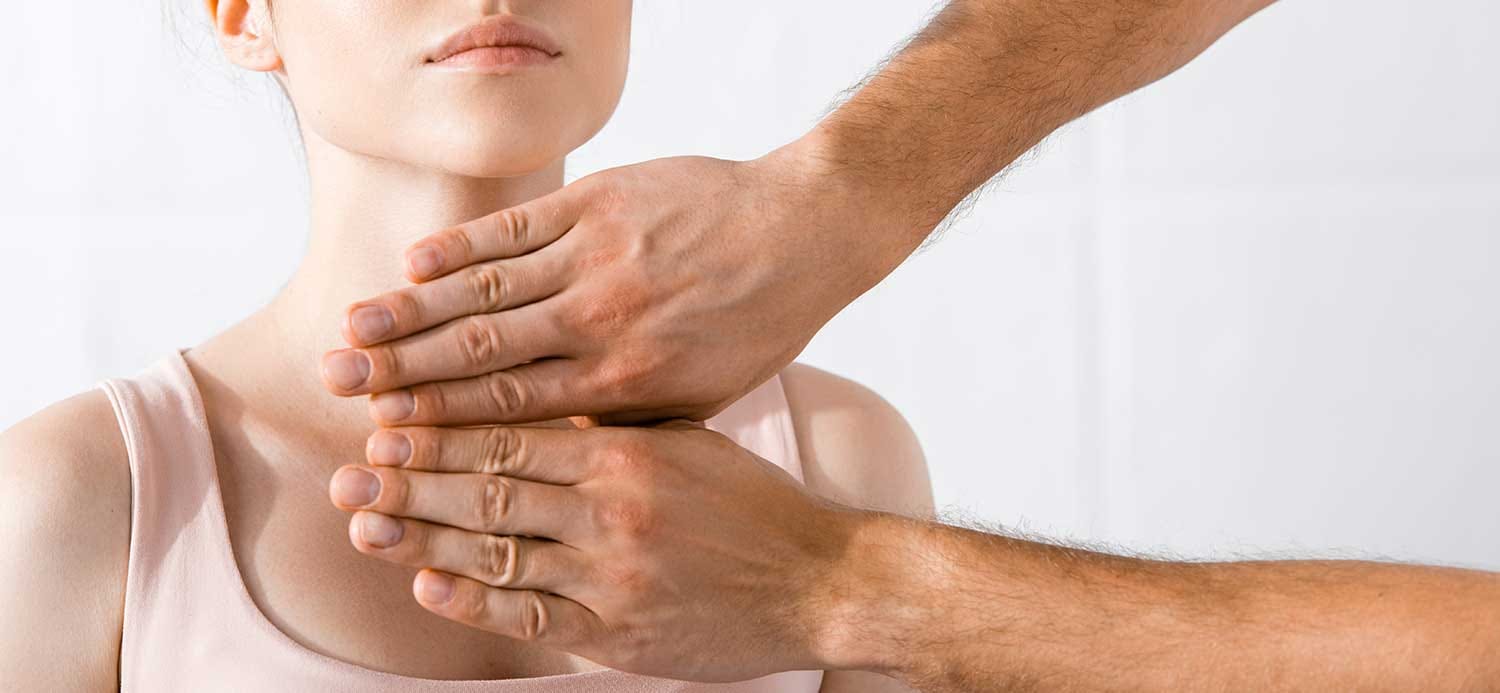
When you visit MHV Clinic for improved circulation, our osteopath for circulation in London will:
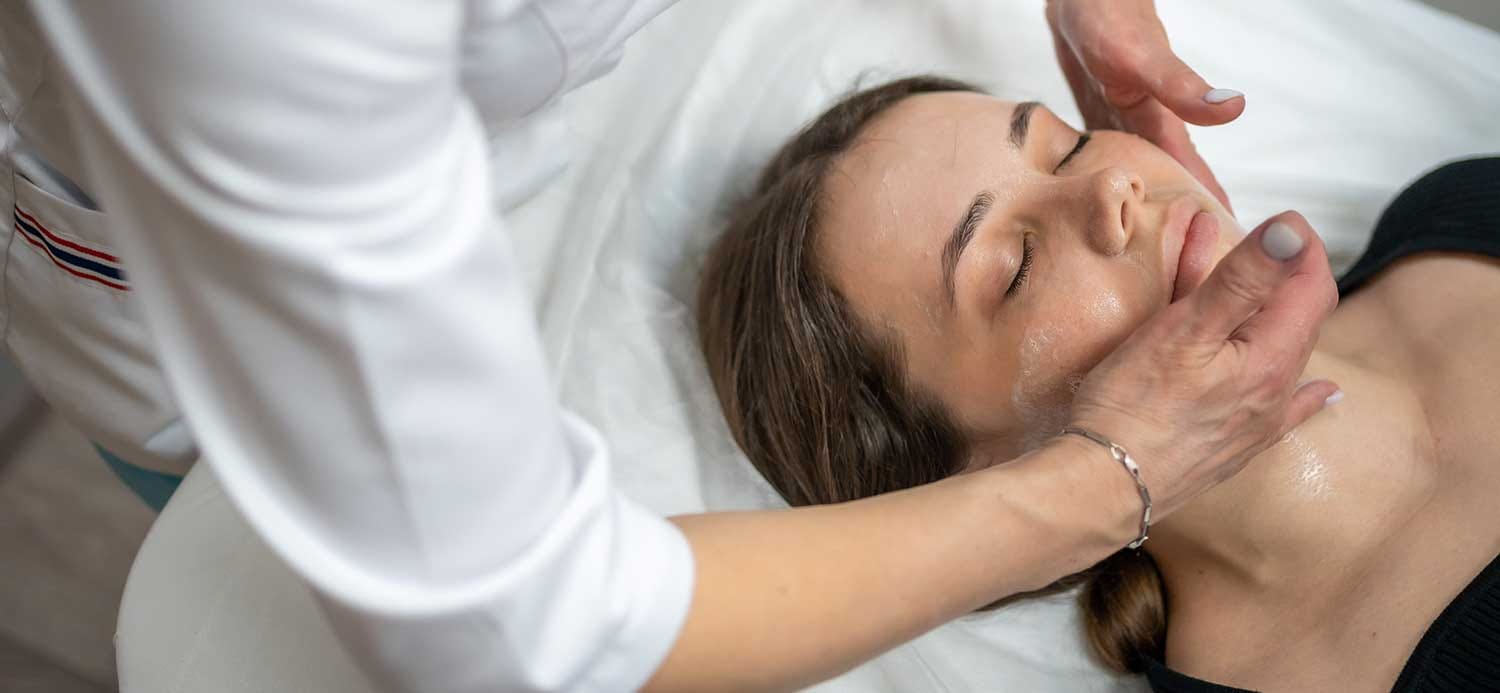
However, it is essential to note that osteopathy is not a substitute for medical care for severe cardiovascular disease. Consequently, our team collaborates with GPS and cardiologists when necessary, ensuring that any circulatory interventions complement broader medical management.
Q: Can osteopathy improve my blood flow?
A: Osteopathy aims to ease muscle tension and joint restriction that can affect how comfortably you move. Individual responses differ, and it is not a treatment for circulatory disease, so speak to your GP first if you have any concern about your circulation.
Q: How many sessions will I need?
A: Typically, 4–8 sessions, one to two weeks apart, allow for gradual improvements. However, our osteopath for Circulation London customises treatment frequency based on your unique needs.
Q: Is the treatment painful?
A: No. Osteopathic techniques are generally gentle. If you have any discomfort, please inform your practitioner immediately so the approach can be adapted.
Ultimately, improving circulation is a journey. Please book an appointment online or call our reception team during clinic hours
.
We look forward to helping you feel more vibrant, active and balanced.
References & Further Reading