
-
Where does it hurt?
Common conditions
Treatments
- Fees
- Corporate DSE
- Programs
- Shop
- Contact
Mappin House, 4 Winsley St, London W1W 8HF
Mappin House, 4 Winsley St, London W1W 8HF
Discover how Sports Massage Pain Relief eases chronic pain and tension for athletes, promoting faster recovery and better mobility.
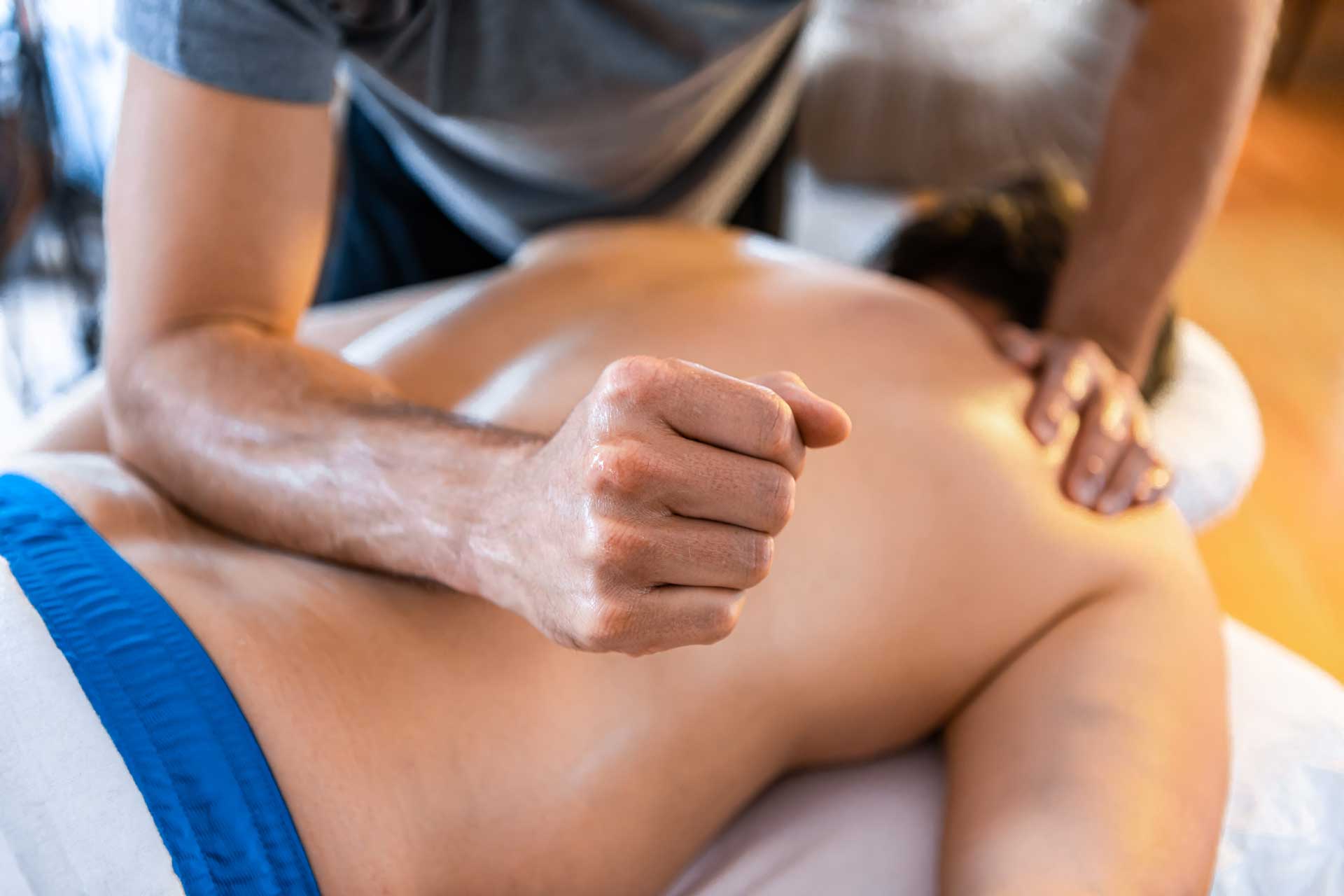
In today’s fast-paced world, where physical activity is a cornerstone of health, many people grapple with persistent aches and discomfort. Whether you’re an elite athlete pushing your limits or someone dealing with everyday aches and pains, sports massage offers a targeted approach to easing those burdens. This therapeutic technique goes beyond mere relaxation, focusing on deep tissue manipulation to address muscle tension and promote healing. Furthermore, it’s backed by growing evidence that highlights its role in enhancing overall well-being.
Sports massage has evolved from a niche service for professionals into a widely accessible option for anyone seeking relief from chronic pain.
Unlike general massages, it incorporates specific methods tailored to athletic demands, but its benefits extend far beyond the sports field. In this article, we explore how sports massage may ease pain, improve mobility and support recovery, and what the evidence says. By the end, you’ll have a clear understanding of why this practice is gaining traction as a non-invasive solution.
Sports massage is a specialised form of bodywork designed to optimise physical performance and aid in recovery. It differs from traditional Swedish massage by employing firmer pressure and techniques aimed at specific muscle groups. Typically performed by trained therapists, this assessment involves evaluating the body’s soft tissues to identify areas of tightness or imbalance.
At its core, sports massage targets the musculoskeletal system, which includes muscles, tendons, and ligaments. For instance, therapists might use effleurage, long, gliding strokes, to warm up tissues, followed by petrissage, which involves kneading to break down adhesions. This methodical approach not only relieves immediate discomfort but also prevents future issues. Additionally, it’s adaptable; sessions can be pre-event to prepare the body or post-event to flush out toxins.
In the UK, organisations like the Sports Massage Association emphasise the importance of qualified practitioners who adhere to professional standards. Your therapist will adapt treatment to your needs and medical history. As we’ll see, this foundation makes sports massage a reliable choice for pain management.
Examining the evidence, some studies suggest sports massage may reduce pain, although the research is mixed. A systematic review published in BMJ Open Sport & Exercise Medicine analysed multiple trials and found that massage may help reduce delayed onset muscle soreness (DOMS), though results varied across studies. This is particularly relevant for athletes recovering from intense training, where muscle pain can hinder progress.
For chronic conditions, a meta-analysis from the National Centre for Biotechnology Information (NCBI) suggests massage therapy can improve function in pain populations, including those with musculoskeletal issues. However, it’s essential to note that while massage may help alleviate symptoms, it’s not a cure-all and should be used in conjunction with other treatments.
Transitioning to physiological mechanisms, sports massage enhances blood flow, which facilitates the delivery of oxygen and nutrients to damaged tissues. This process, as explained on Physio.co.uk, can help reduce inflammation and promote healing in cases of chronic pain. Additionally, it stimulates the release of endorphins, natural painkillers, that foster a sense of relaxation. Some studies on deep tissue massage, which is similar to sports techniques, have reported reductions in chronic low back pain, although results vary.
In the context of UK regulations, claims about pain relief must be substantiated. This ensures that promotions don’t overstate benefits, focusing instead on supported outcomes, such as reduced tension and improved recovery.
For athletes, sports massage provides invaluable pain relief in maintaining peak performance. It addresses the repetitive strains from training, such as those in running or weightlifting, by loosening tight muscles and preventing overuse injuries.
Some athletes find it helps recovery after competition. A study on performance and recovery found that massage aids in reducing fatigue markers, allowing athletes to return to training sooner. Beyond physical perks, it offers mental benefits; the relaxation induced can lower stress levels, enhancing focus during events.
Non-athletes also reap rewards. Those with desk jobs often suffer from postural pain, and sports massage can realign muscles for better ergonomics. In chronic conditions like fibromyalgia, evidence from Sense Massage UK suggests that cumulative sessions lead to decreased soreness and improved daily function.

osteopath, personal trainer and sports therapist
Sports massage employs a range of techniques to target pain effectively. Trigger point therapy, for example, focuses on knots in muscles that refer pain elsewhere, providing targeted relief. Therapists apply sustained pressure to release these points, often leading to immediate improvements.
Another key method is myofascial release, which stretches the fascia, the connective tissue surrounding muscles, to restore mobility. This is particularly useful for chronic tension, as per insights from OriGym, where it extends the range of motion and relieves pain. Additionally, friction techniques break down scar tissue from old injuries, aiding long-term recovery.
Incorporating tools like foam rollers can extend benefits at home, but professional guidance ensures safety. However, techniques should be customised; what works for one person might need adjustment for another.
If you’re experiencing ongoing discomfort that affects daily life, sports massage could be a viable option. It’s especially beneficial after acute injuries, once inflammation subsides, or for managing chronic issues like back pain. Jamie Lloyd’s site explains how it reduces muscle tension and promotes relaxation for individuals with chronic pain.
That said, consult a healthcare professional first, especially if the pain stems from an underlying condition. The Bodyfix Clinic advises it’s crucial for reducing stiffness in athletes but warns against using it as a sole treatment. It is presented as a complementary therapy that may help with generalised aches, not as a medical cure.
While generally safe, sports massage isn’t without risks. Bruising or soreness after a session is typical, especially with deep work, but this usually resolves quickly. Individuals with conditions such as osteoporosis should avoid intense pressure, as noted in Harvard Health’s overview of massage for pain relief.
Furthermore, pregnant women or those with blood clots need tailored approaches. Always disclose medical history to your therapist. In the UK, regulated practitioners from bodies such as the General Osteopathic Council (although the principles apply to osteopathy) ensure adherence to safety protocols.
In summary, sports massage pain relief stands as a powerful, evidence-supported tool for managing discomfort and enhancing recovery. From alleviating chronic tension to boosting athletic performance, its benefits are multifaceted and accessible. By integrating techniques backed by UK research and adhering to professional standards, you can experience improved quality of life.
Remember, while it offers significant advantages, it’s most effective alongside a holistic health plan. If you’re ready to explore this further, consider consulting a qualified therapist today. Have you tried sports massage? Share your experiences, we’d love to hear how it helped you.