
-
Where does it hurt?
Common conditions
Treatments
- Fees
- Corporate DSE
- Programs
- Shop
- Contact
Mappin House, 4 Winsley St, London W1W 8HF
Mappin House, 4 Winsley St, London W1W 8HF
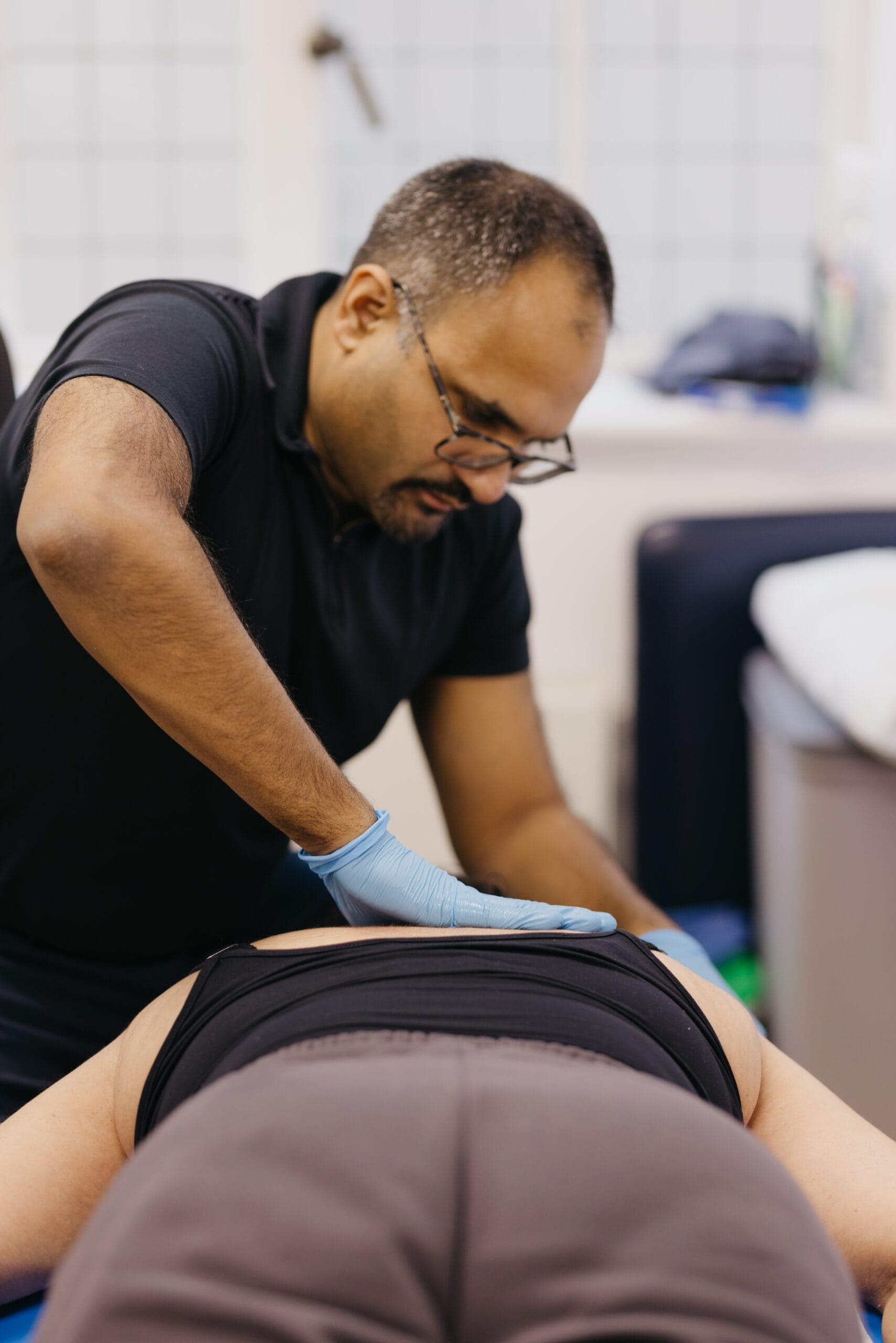
If you’re grappling with persistent back discomfort that disrupts your daily routine, you’re not alone, chronic back pain affects millions worldwide. But when considering treatments like back cracking, also known as spinal manipulative therapy (SMT), a common question arises:
This evidence-based exploration examines the pros, cons, and real-world applications, drawing on rigorous studies and insights from MHV Clinic, a leading osteopathic practice in London. By the end, you’ll gain a clearer understanding of whether this non-invasive option suits your needs.
Far from a gimmick, it’s a cornerstone of osteopathic care for musculoskeletal issues, such as chronic low back pain (LBP). However, safety hinges on proper technique and patient screening. Additionally, while promising, it’s most effective as part of a holistic plan that includes exercise and lifestyle adjustments.


Research consistently highlights the potential of SMT to alleviate chronic back pain symptoms. For instance, a 2019 systematic review and meta-analysis of randomised controlled trials found that SMT offers moderate benefits in reducing pain and improving function, particularly in the short term, outperforming sham treatments. Moreover, a Cochrane review of 47 trials concluded there’s moderate-quality evidence that manipulation and mobilisation likely reduce pain and enhance mobility for chronic LBP patients, with effects lasting up to six months.
In older adults, SMT also shines: A 2022 review affirmed its efficacy for LBP in this group, often matching or surpassing other therapies without additional side effects. Osteopathic manipulative treatment (OMT), a related approach, showed significant pain reduction beyond placebo in a meta-analysis, persisting for at least three months. These findings suggest manual therapy may help some people with chronic backache.
That said, no treatment is risk-free, and SMT requires caution. Serious adverse events, like cauda equina syndrome, are rare but underscore the need for professional oversight. Reported harms are mainly mild, such as transient soreness or headaches.
Contraindications include severe osteoporosis, spinal instability, or vascular issues, as per Mayo Clinic warnings, where risks like stroke could rise in vulnerable individuals.
Furthermore, efficacy isn’t universal: High-quality evidence from a 2011 Cochrane analysis indicates no clinically meaningful advantage over other active therapies, such as exercise or medication, for long-term outcomes. In essence, while safe for most, it’s not a standalone cure, always consult a qualified practitioner to assess personal risks.
At MHV Clinic, osteopaths specialise in tailored, non-surgical interventions for chronic back pain and related issues like spinal stenosis. For example, one patient facing surgical recommendations after failed physiotherapy experienced drastic pain reduction post-adjustment, ditching painkillers and resuming walks pain-free, all without invasive procedures. Another with years of recurring LBP reported feeling “like a new person” after spinal realignment and cupping, boosting gym performance and easing stiffness.
These outcomes reflect MHV’s evidence-informed approach: precise manipulations address root causes, such as nerve compression, complemented by deep massage and customised exercises. Patients often report immediate mobility gains, with one crediting adjustments for resolving a two-year case of sciatica that others had failed to resolve.
Ultimately, is back cracking safe for chronic back pain? Yes, for most, under expert care, with studies affirming that moderate pain relief benefits outweigh the minimal risks. However, it’s one tool in your arsenal, combine it with professional guidance for optimal results.
Our team at MHV Clinic is here to help you regain pain-free movement and improve shoulder health. Book an appointment today and take the first step towards recovery.
