
-
Where does it hurt?
Common conditions
Treatments
- Fees
- Corporate DSE
- Programs
- Shop
- Contact
Mappin House, 4 Winsley St, London W1W 8HF
Mappin House, 4 Winsley St, London W1W 8HF
Discover how Osteopathic Manipulative Treatment (OMT) can help manage back pain, neck pain, joint issues, and other musculoskeletal problems. Discover the techniques, benefits, and evidence-based applications of osteopathy from registered osteopaths in the UK.
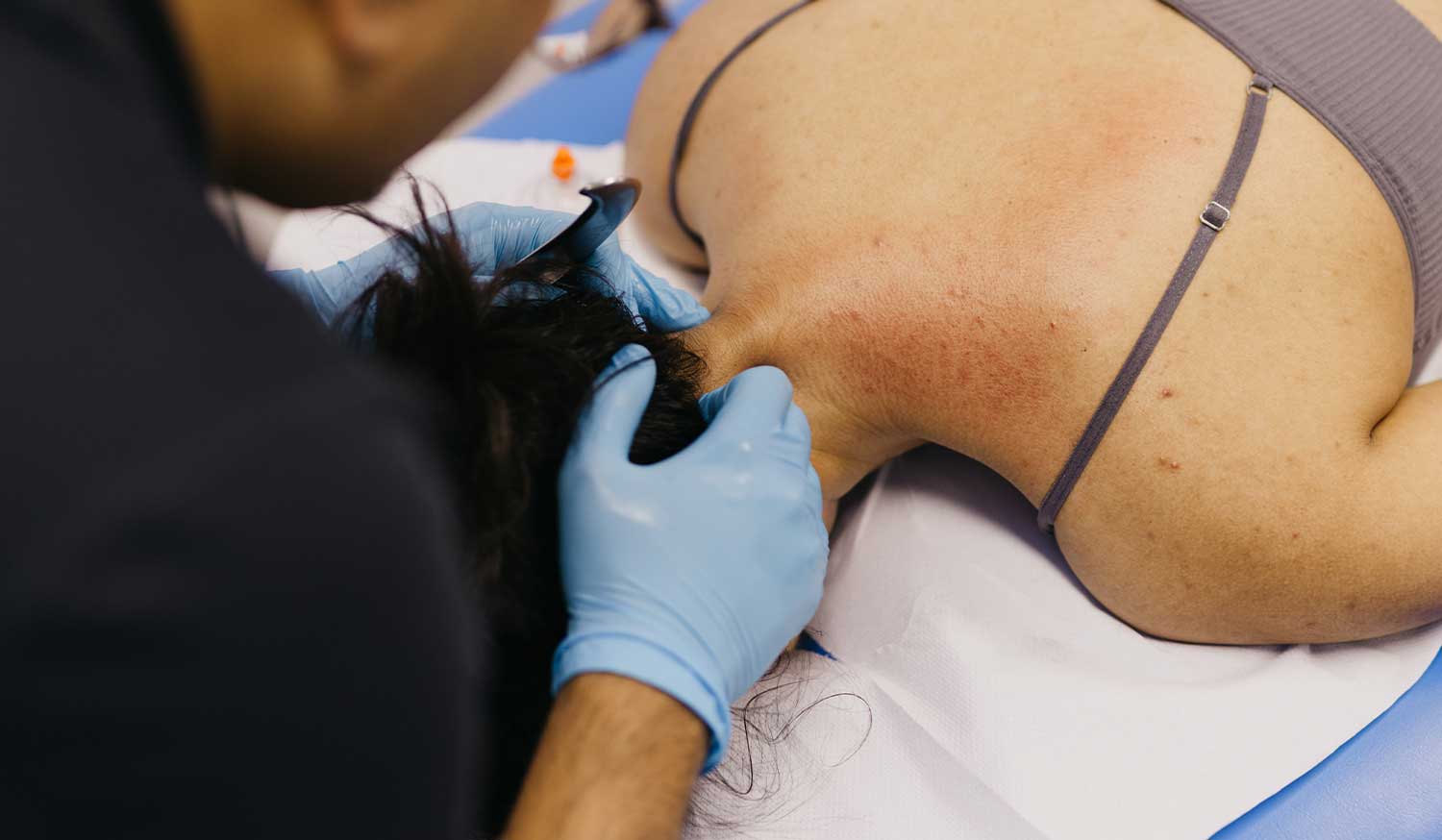
In short: Osteopathic Manipulative Treatment (OMT) is the set of hands-on techniques osteopaths use to ease pain and stiffness in muscles and joints. It includes gentle stretching, joint mobilisation and, where suitable, quick joint manipulation. In the UK it is delivered by osteopaths registered with the General Osteopathic Council.
In today’s fast-paced world, many people experience aches, pains, and mobility restrictions that impact their daily lives. Osteopathic Manipulative Treatment (OMT), often called osteopathic manipulation, offers a gentle, manual therapy option provided by registered osteopaths. This approach focuses on the body’s musculoskeletal system to support natural recovery and improve function.
Furthermore, OMT is rooted in the principle that the body has an inherent ability to heal itself when structural imbalances are addressed. By using precise hands-on techniques, osteopaths aim to restore balance, enhance mobility, and alleviate discomfort associated with common musculoskeletal conditions.
At clinics like MHV Clinic, experienced practitioners tailor OMT to individual needs, complementing it with advice on exercise and lifestyle for longer-term wellbeing. For more on our services, visit our homepage.
Osteopathic Manipulative Treatment involves a range of manual techniques applied by qualified osteopaths to diagnose, manage, and prevent issues in the muscles, joints, and connective tissues. These methods include soft tissue stretching, gentle joint articulation, muscle energy techniques (where you actively contract muscles against resistance), and balanced ligamentous tension.
Moreover, OMT is not solely about forceful adjustments; many techniques are indirect and subtle, working with the body’s tissues to release restrictions. This makes it suitable for a wide age range, from young adults to older individuals seeking non-invasive support.
In the UK, osteopaths are regulated by the General Osteopathic Council (GOsC), ensuring high standards of training and practice. OMT forms a core part of osteopathic care, often used in conjunction with patient education on posture, ergonomics, and self-management strategies.
Osteopathy was founded in the late 19th century by Dr Andrew Taylor Still, who emphasised the interrelationship between structure and function in the body. He believed that many health issues stem from musculoskeletal imbalances that impair circulation, nerve function, and overall vitality.
Consequently, modern OMT builds on these principles but is grounded in contemporary anatomy, physiology, and evidence-based practice. UK osteopaths complete rigorous degree-level training, including over 1,000 hours of hands-on clinical experience.
Today, OMT aligns with NHS recommendations for musculoskeletal conditions, such as referring patients to manual therapies when appropriate. It stands out for its holistic assessment, considering how lifestyle, work, and stress contribute to symptoms.

Osteopaths select techniques based on a thorough examination of the patient’s condition. For instance:
Additionally, these methods are adapted for safety and comfort. Treatment starts with a case history and physical assessment, and you can ask the clinic about appointment length when you book.
Some research suggests OMT may help with various musculoskeletal issues, although the evidence varies in strength. For example, systematic reviews indicate promising results for reducing pain and improving function in conditions such as general backache, uncomplicated mechanical neck pain, and joint pain.
Moreover, NICE guidelines recommend manual therapy, including osteopathic approaches, as part of management for persistent low back pain, often alongside exercise. Some studies suggest OMT may provide short-term relief for acute problems, though the evidence is mixed.
Specific areas include:
However, OMT is most effective as an adjunct to self-care, such as stretching and strengthening exercises. It’s not a standalone cure but supports the body’s recovery processes.
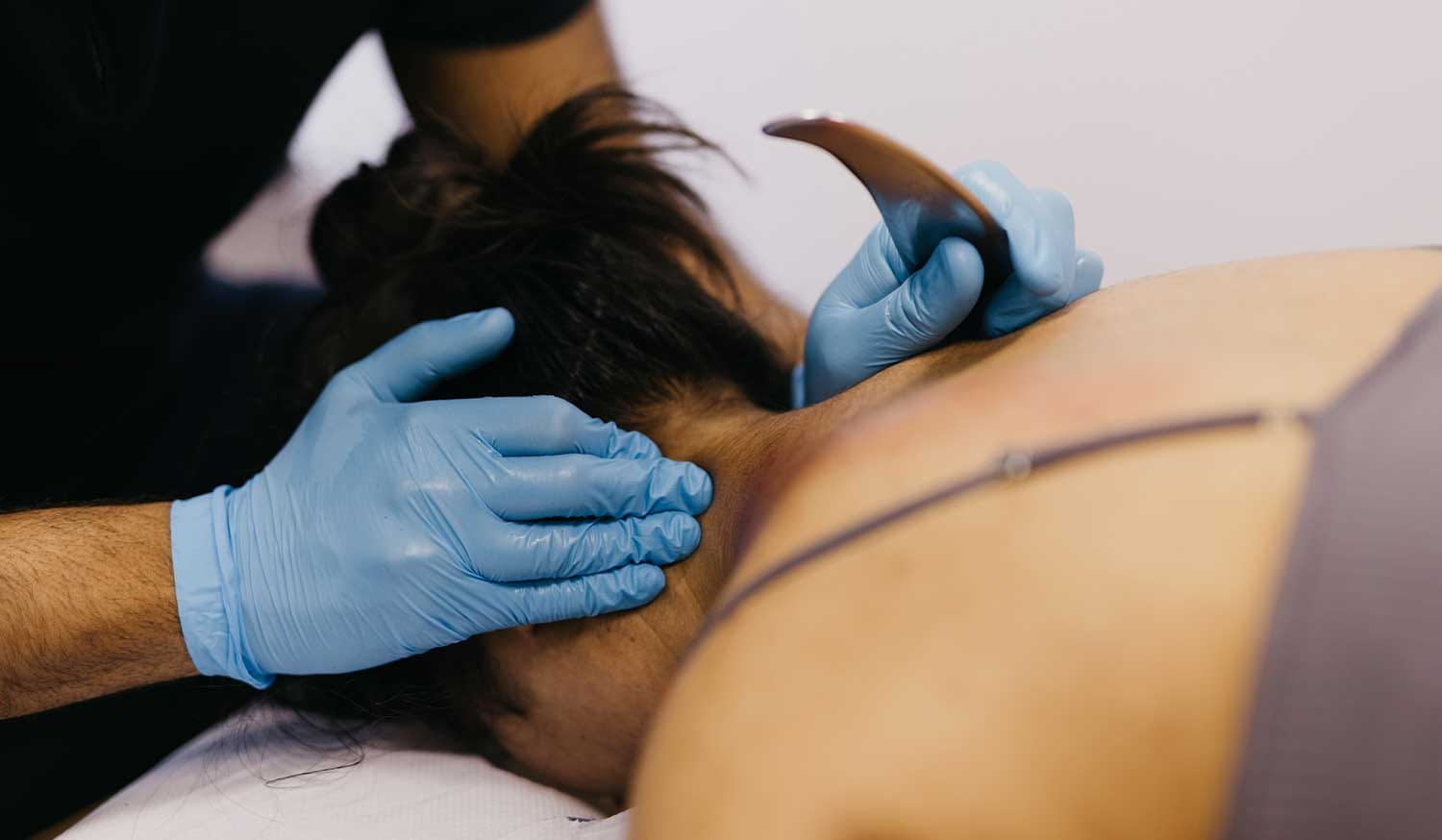
Osteopaths assess how distant areas, such as the pelvis, affect the neck.
Compared to massage, it’s more diagnostic and structural.
Furthermore, UK osteopaths are primary healthcare professionals, meaning a GP referral is not required. This accessibility, combined with statutory regulation, provides reassurance of safety and professionalism.
Evidence from PubMed reviews highlights OMT’s role in chronic pain management, sometimes outperforming sham treatments in patient-reported outcomes for low back and neck issues.
Patients often report improved mobility, reduced stiffness, and better sleep after OMT sessions. For instance, it can enhance circulation, ease muscle tension, and promote relaxation – indirectly supporting the relief of stress-related tension.
Some trials in chronic low back pain have reported pain reduction and functional gains with OMT over several weeks, but the evidence is limited.
Additionally, as a drug-free option, it appeals to those preferring non-pharmacological approaches. In the long term, regular maintenance sessions may help prevent recurrence by addressing compensatory patterns.
At MHV Clinic, we combine OMT with personalised exercise plans, helping patients achieve sustainable improvements. You can book a consultation online to explore how it fits your needs, or read how we approach osteopathy for back pain.
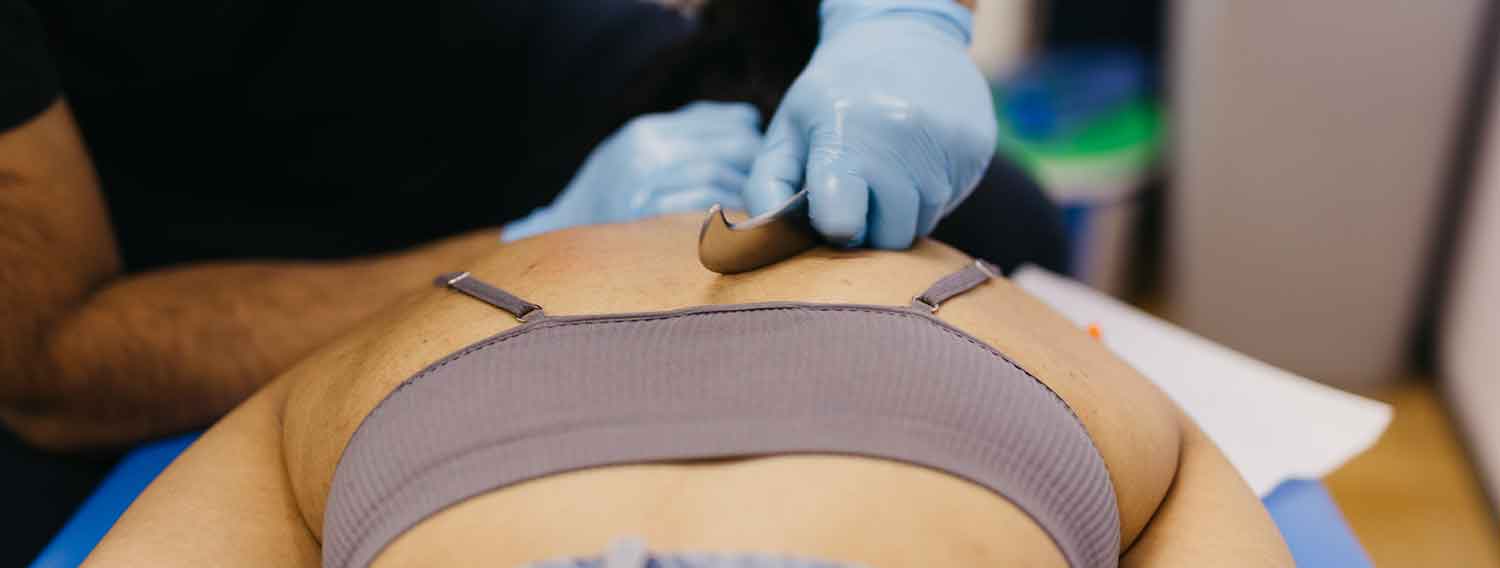
Your osteopath will begin by discussing your symptoms, medical history, and goals in detail. This is followed by an observation of posture and movement, as well as palpation to identify any restrictions.
Subsequently, treatment involves you lying or sitting comfortably while techniques are applied. Communication is key – you’ll be informed throughout, and the intensity will be adjusted to your tolerance.
Afterwards, mild soreness, similar to that experienced after exercise, is possible but usually resolves quickly. Advice on hydration, gentle movement, and follow-up is provided.
The number of sessions varies from person to person, and your osteopath will give you an idea after your assessment.
Start by identifying persistent musculoskeletal symptoms. Combine OMT with daily walks, ergonomic adjustments, and core strengthening for optimal results.
Moreover, workplaces increasingly recognise osteopathy for preventing repetitive strain issues.
For personalised guidance, contact a local clinic like MHV Clinic through our online booking page.
Is OMT painful? Most techniques are gentle; any discomfort is brief and discussed.
How many sessions do I need? It varies with the problem and the person. Your osteopath will explain what to expect after your assessment.
Does insurance cover it? Many private policies do; check your provider.
Can OMT replace medication? It may reduce reliance but complements medical advice.
Osteopathic Manipulative Treatment is a hands-on approach that may help with common musculoskeletal challenges, although results vary. By restoring balance and function, it empowers you to move freely and live an active life.
If back pain, joint stiffness, or tension is holding you back, consider consulting a registered osteopath today.
Ready to experience the difference? Book with MHV Clinic for OMT tailored to you.