
-
Where does it hurt?
Common conditions
Treatments
- Fees
- Corporate DSE
- Programs
- Shop
- Contact
Mappin House, 4 Winsley St, London W1W 8HF
Mappin House, 4 Winsley St, London W1W 8HF

Digestive discomfort, from bloating and heartburn to irritable bowel symptoms, affects millions of people in the UK annually. Consequently, many Londoners are turning to holistic approaches for relief. One such option is osteopathy, a regulated manual therapy that addresses the body as an integrated whole.
Firstly, it’s essential to define osteopathy. Osteopaths are trained healthcare professionals who use various manual and exercise-based techniques to detect, treat, and help prevent health problems. They work on the premise that the body’s musculoskeletal framework, including bones, muscles, ligaments, and connective tissue, must function smoothly for optimal health. Typical interventions include:
In the UK, osteopaths have been statutorily regulated by the General Osteopathic Council (GOsC) since 1993. This means they undergo rigorous training, adhere to a professional code, and must refer patients for medical care when indicated.
Digestive problems span a spectrum of conditions:
These problems can arise from diet, stress, medication side effects (e.g., NSAIDS irritating), or underlying pathology, and sometimes, no clear cause is found. Therefore, a holistic evaluation considering posture, spinal function, and nervous system balance may offer complementary support alongside standard medical advice at University Hospitals Dorset.

Osteopathy is traditionally associated with musculoskeletal complaints, and the evidence for digestive problems is limited. The mechanisms below are proposed rather than proven, and osteopathy is not a substitute for medical assessment of digestive symptoms. Here are the proposed mechanisms:
It is essential to acknowledge that while patient anecdotes are encouraging, high-quality evidence is still evolving:
Therefore, while osteopathy may help some individuals with digestive discomfort, these benefits should be conveyed as potential rather than guaranteed. Patients are encouraged to maintain regular medical follow-up and to seek prompt care if “red-flag” symptoms (e.g. weight loss, blood in stool) emerge.
If you’re searching for an osteopath for digestive health in London, consider these tips:
Typically, your first appointment lasts 45–60 minutes. It involves:
Most patients report feeling relaxed after treatment; some notice immediate changes in discomfort or bloating, while others experience gradual improvements over several sessions.
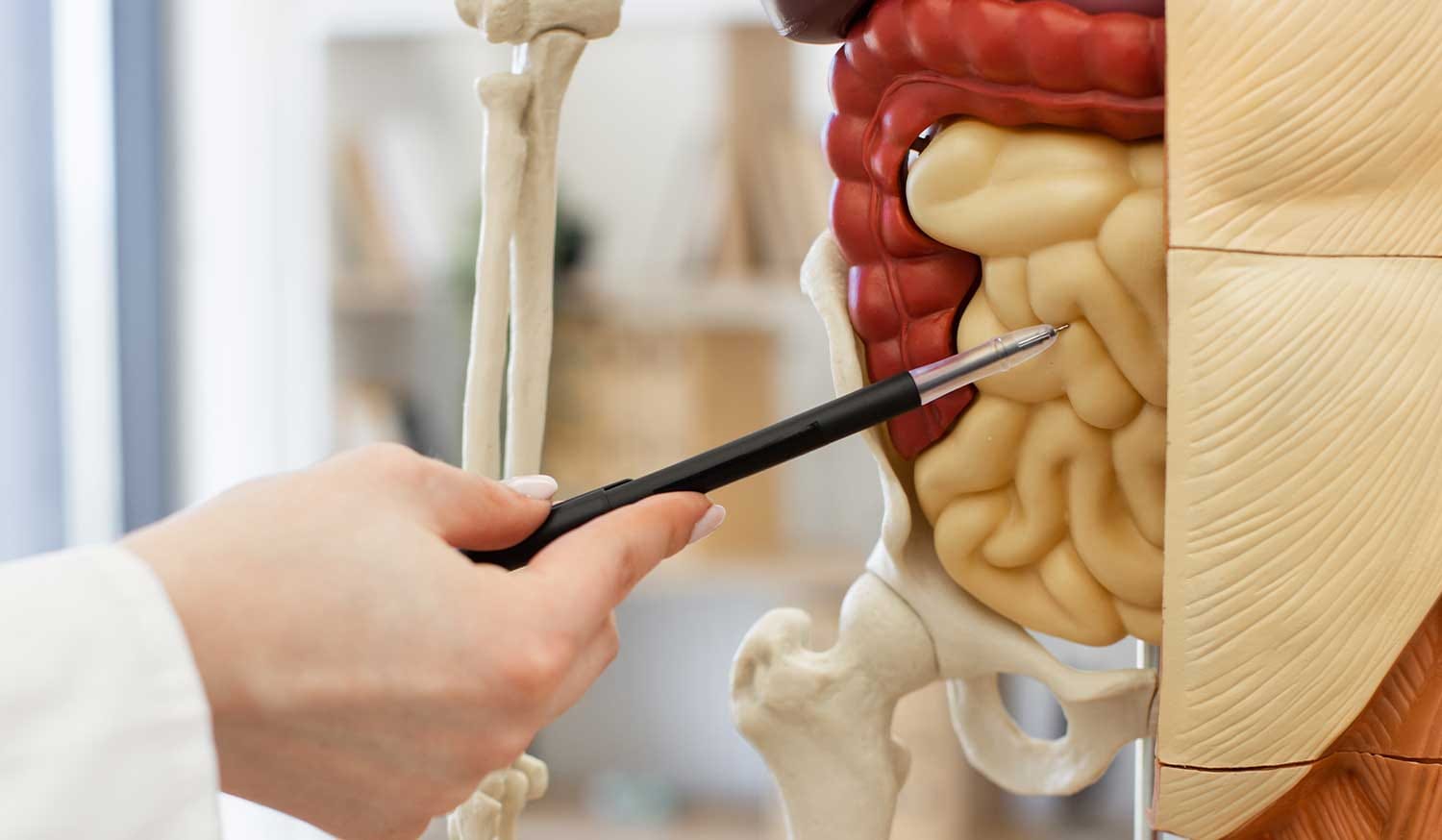
In summary, osteopathy offers a holistic, manual therapy approach that may support digestive comfort through autonomic regulation, diaphragm release, and postural correction. However, the evidence is still emerging, and individual benefits can vary.
Always discuss your complete medical history, maintain conventional medical check-ups, and proceed with an open mind about manual therapy’s potential, and limits, for gut-related discomfort.
References: