
-
Where does it hurt?
Common conditions
Treatments
- Fees
- Corporate DSE
- Programs
- Shop
- Contact
Mappin House, 4 Winsley St, London W1W 8HF
Mappin House, 4 Winsley St, London W1W 8HF
Discover how an osteopath for fibromyalgia in London can offer a non-pharmaceutical approach to chronic pain management.

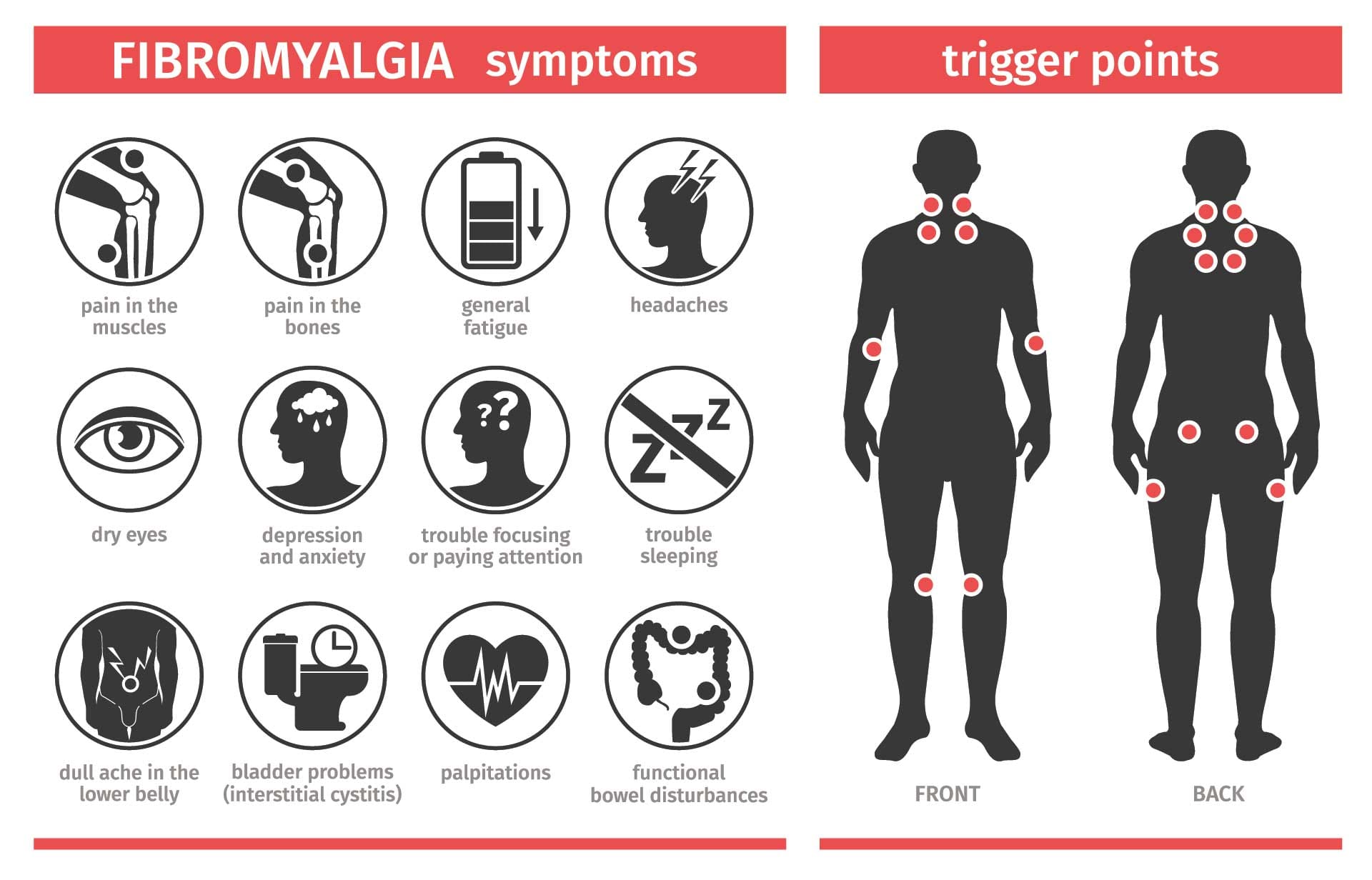
Fibromyalgia affects around 2% of the UK population, manifesting as widespread musculoskeletal pain, fatigue, sleep disturbances and cognitive difficulties. As many seek non-pharmaceutical routes to relief, osteopathy has emerged as a complementary option. This in-depth guide explores how seeing an osteopath for fibromyalgia in London can help manage your symptoms safely and professionally.
Fibromyalgia is characterised by heightened sensitivity to pain and a variety of other symptoms, including tension headaches and irritable bowel syndrome. Moreover, because the exact cause remains unclear, treatment tends to be multidisciplinary. According to the NHS, management often combines medication, exercise, cognitive behavioural therapy and complementary therapies.
Osteopathy is a manual therapy centred on the principle that the body’s structure and function are interrelated. An osteopath uses gentle hands-on techniques, such as stretching, soft tissue massage and joint articulation, to improve mobility, relieve tension and support the body’s self-healing mechanisms. Furthermore, osteopaths undergo regulated training in the UK and are registered with the General Osteopathic Council. Therefore, when choosing an osteopath for fibromyalgia in London, you can be assured of professional standards and ethical practice.
While fibromyalgia cannot be cured, osteopathic care may help by:
However, it’s important to note that clinical evidence for osteopathy in fibromyalgia remains in its infancy. A few trials suggest benefits for pain and quality of life, but larger, high-quality studies are still needed. Always discuss realistic goals with your practitioner, to avoid promises of a cure.
When searching for an osteopath for fibromyalgia in London, keep these factors in mind:
During your first session, an osteopath will:
Subsequently, treatments often last 30 to 45 minutes. Immediately after, you may feel relaxed, though temporary soreness can occur, a normal response to manual therapy.
In addition to professional care, incorporate these strategies:

A reputable clinic will:
Ultimately, fibromyalgia demands a holistic, patient-centred strategy. With realistic expectations, evidence-informed practice and consistent self-management, many find meaningful relief without reliance solely on medication. If you’re exploring alternatives to pharmaceuticals, consider booking a consultation with a registered osteopath today, your journey to steadier days could begin here.
References: