
Is Osteopathy Safe for Children? What Parents Should Know

Discover how a paediatric osteopath in London can gently support your child’s musculoskeletal health.

paediatric osteopath London

Osteopathy has become an increasingly popular choice for parents seeking gentle, non-invasive care for their children’s growing bodies.

Table of Contents

  1. What Is Paediatric Osteopathy?
  2. Why Consider Osteopathy for Children?
  3. Safety of Osteopathy in Children
  4. What Parents Should Expect at an Appointment
  5. Choosing a Qualified Paediatric Osteopath in London
  6. Evidence and Guidelines
  7. Conclusion & Next Steps

What Is Paediatric Osteopathy?

Osteopathy is a manual therapy that focuses on diagnosing, treating, and preventing musculoskeletal issues through hands-on techniques. When tailored for infants, children, and adolescents, it becomes paediatric osteopathy, a specialised approach addressing common developmental concerns, from torticollis in newborns to postural discomfort in school-aged kids.

  1. Gentle Manipulation: Rather than high-velocity adjustments, paediatric osteopaths use very light pressure, often described as the weight of a £1 coin, to encourage natural alignment and mobility.
  2. Holistic Assessment: Osteopaths consider not only the spine and joints but also how muscles, ligaments, and even cranial structures interact with one another.
  3. Personalised Care: Each session is adapted to a child’s age, size, and specific needs, ensuring that treatment is both safe and effective.

“Osteopathy can help support your child’s natural development, promoting comfort and mobility without medication” (NHS.uk).

Why Consider Osteopathy for Children?

Parents often seek a paediatric osteopath in London for various reasons:

  1. Colic and Feeding Issues: Gentle cranial techniques may help alleviate tension in newborns, potentially soothing symptoms of reflux or colic.
  2. Torticollis and Head Shape: Early intervention can support neck muscle balance and, consequently, improve plagiocephaly.
  3. Postural Strain: As children grow, especially with increased screen time, they can develop slouched posture or back discomfort. Osteopathy offers a non-pharmacological option to help (not promise) relief and encourage proper alignment.
  4. Sports-Related Strains: Active kids often suffer sprains or minor joint issues. Osteopathy helps restore function and mobility.

Moreover, a paediatric osteopath in London works in harmony with your child’s GP or paediatrician, ensuring integrated care.

Safety of Osteopathy in Children

Understandably, safety is the top concern for any parent. Here’s what you need to know:

  1. Low-Risk Profile: Clinical studies suggest that adverse effects from paediatric osteopathy are infrequent, primarily when performed by a registered practitioner.
  2. Specialised Training: Only osteopaths with additional paediatric qualifications should treat infants and children. These experts undergo rigorous training to adapt their techniques for delicate structures.

Key Safety Tips for Parents:

  1. Always verify your paediatric osteopath’s registration with the General Osteopathic Council (GOsC) (gosc.org.uk).
  2. Discuss your child’s complete medical history, including any developmental concerns.
  3. Observe your child’s comfort: sessions should never cause pain.

Overall, paediatric osteopathy is considered safe when delivered by a suitably qualified professional, with careful assessment and gentle techniques tailored to each child’s specific needs.
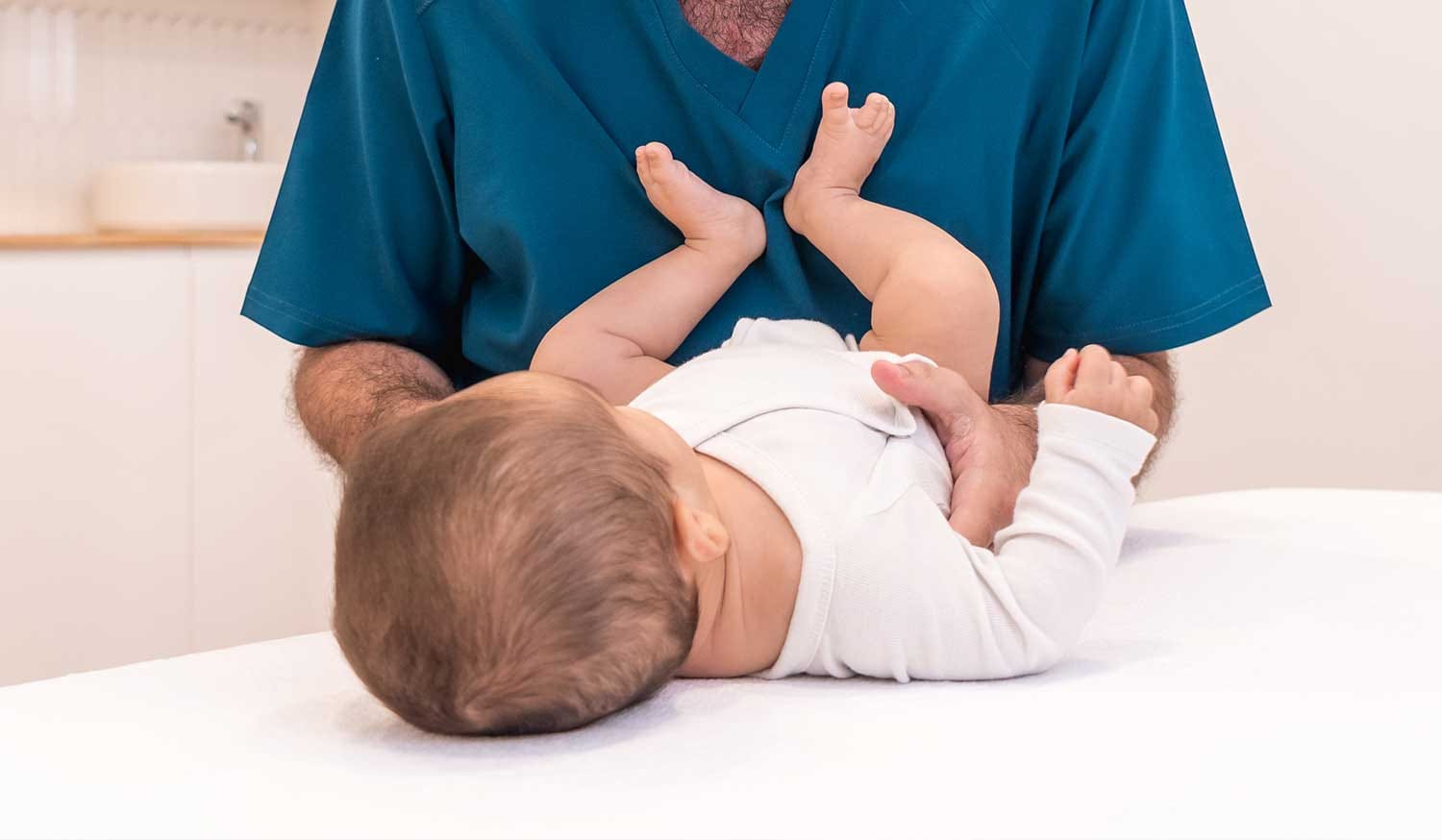
paediatric osteopath London

What Parents Should Expect at an Appointment

1. Initial Assessment

Your first visit will include a thorough chat about your child’s health history, birth details, and current concerns. The osteopath may observe your child standing, sitting, or moving to pinpoint areas of tension or imbalance.

2. Hands-On Examination

Using gentle palpation, the osteopath will feel for restrictions in muscles, joints, and cranial sutures. Expect minimal discomfort, your child should feel relaxed throughout.

3. Treatment Techniques

Depending on your child’s needs, the osteopath may use:

  1. Cranial Osteopathy: Very light finger pressure on the skull to release tension.
  2. Myofascial Release: Gentle stretching of the soft tissues.
  3. Articulation: Mild joint mobilisations to improve range of motion.

4. Advice & Home Exercises

Beyond hands-on care, your paediatric osteopath may suggest simple exercises or stretches to reinforce the benefits of the session.

5. Follow-Up Sessions

Children respond at different rates; some may improve after a single visit, while others benefit from a short course of 2–4 sessions spaced over several weeks. Your osteopath will outline a clear plan, reviewing progress at each stage.
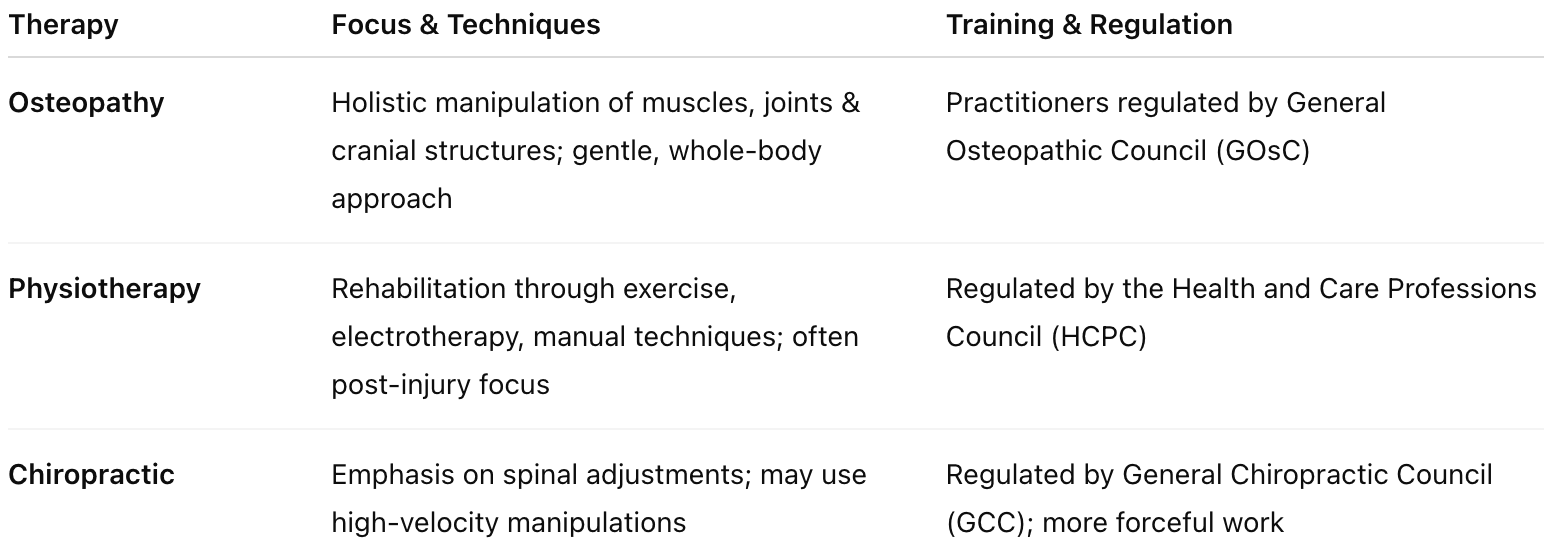
Paediatric osteopathy’s milder approach is often preferred for infants and very young children.

Choosing a Qualified Paediatric Osteopath in London

To ensure your child receives safe, effective care, keep these pointers in mind:

  1. Registration & Insurance: Confirm membership with both the GOsC (gosc.org.uk) and the Institute of Osteopathy (iO). Check that the clinic holds professional indemnity insurance.
  2. Paediatric Qualifications: Look for additional diplomas or certificates in paediatric osteopathy, beyond the standard MSc or DO.
  3. Child-Friendly Environment: A welcoming, calm clinic helps children feel at ease. Observe whether staff engage kindly and communicate clearly at your child’s level.
  4. Transparent Communication: Your osteopath should explain techniques, expected outcomes, and any risks in plain English, never overselling or making unsubstantiated claims.
  5. Collaborative Approach: The best practitioners work closely with GPs, physiotherapists, and other specialists to ensure a cohesive care plan.

Top London Clinics:

  1. MHV Clinic, Kensington: Renowned for its child-centred approach and experience in sports paediatrics.
  2. The London Osteopathic Centre, Clapham: Offers integrated physio and osteopathy services.

Evidence and Guidelines

While anecdotal success stories abound, what does the evidence say?

  1. A 2013 pilot study found that cranial osteopathy was well tolerated in infants with colic; however, larger trials are needed to confirm its efficacy.
  2. The National Institute for Health and Care Excellence (NICE) recommends considering manual therapies as part of a multidisciplinary approach to musculoskeletal pain in children and adolescents.

Accordingly, paediatric osteopaths should frame their services as supportive rather than curative, thereby respecting both scientific rigour and advertising standards.

Conclusion & Next Steps

In conclusion, osteopathy, when delivered by a qualified, registered paediatric osteopath, offers a safe, gentle, and holistic option for supporting your child’s musculoskeletal health.

Next Steps for Parents in London:

  1. Book a Consultation: Choose a GOsC-registered paediatric osteopath with paediatric credentials.
  2. Check NHS Advice: Review the NHS’s overview of osteopathy to understand what to expect.
  3. Discuss with Your GP: Especially if your child has underlying health conditions.

For a child-centred, professional, evidence-informed approach, consider reaching out to MHV Clinic, your trusted paediatric osteopath in London. Let us support your child’s comfort, mobility, and overall well-being with gentle, expert care.