How Osteopathy Supports Joint Health
1. Improving Biomechanics
- Global Assessment:
- Osteopaths view the body holistically, assessing not only the symptomatic joint but also adjacent and even remote regions. For example, knee pain might originate from hip or ankle dysfunction.
- By restoring balance across the kinetic chain, mechanical stress on individual joints is reduced, thereby preserving cartilage integrity over time.
- Postural Correction:
- Chronic poor posture, such as forward head carriage or anterior pelvic tilt, can impose excess load on specific joints (e.g., lumbar facet joints).
- Osteopathic treatment includes postural re-education and recommendations for ergonomic adjustments (e.g., desk setup, sleep position), which help maintain joint alignment.
2. Reducing Strain and Load
- Muscle Imbalance Correction:
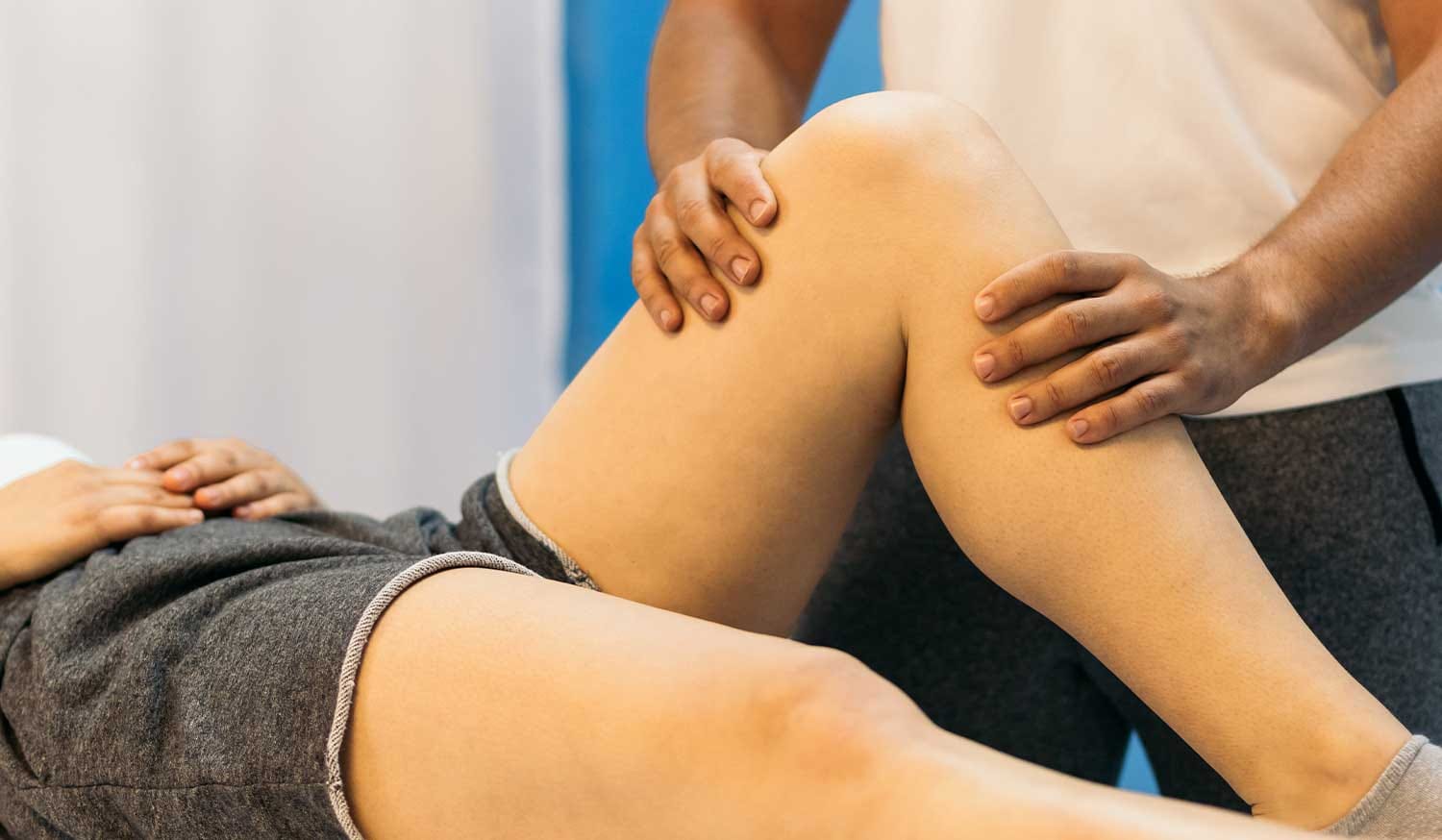
- Overactive muscles can place undue tension on joints. For example, tight quadriceps can compress the patellofemoral joint, exacerbating knee pain.
- Techniques such as deep soft tissue work and reciprocal inhibition (MET) enable the antagonist muscle (e.g., hamstrings) to engage more effectively, thereby promoting balanced forces around the knee.
- Joint Unloading Strategies:
- Osteopaths may instruct patients in offloading movements or prescribe targeted stretches to alleviate pressure on vulnerable joints.
- Simple modifications, such as avoiding deep knee bends for those with early patellofemoral osteoarthritis, combined with gentle mobilisation can slow degenerative progression.
3. Promoting Synovial Health
- Synovial Fluid Circulation:
- Gentle oscillatory mobilisations (Grades I–II) encourage synovial fluid to bathe joint surfaces, nourishing cartilage and removing metabolic waste.
- For older adults, this circulation can help alleviate stiffness associated with decreased synovial viscosity.
- Inflammation Modulation:
- While osteopathy does not “cure” inflammatory joint disease, reducing soft tissue tension around inflamed joints can help modulate pain signals and reduce reliance on medication.
According to the NHS (National Health Service), early intervention and maintaining a healthy range of motion are essential for managing joint conditions such as osteoarthritis. Regular manual therapy can be part of a comprehensive self-care plan (NHS.uk).
What to Expect During an Osteopathic Session
- Initial Assessment and History-Taking
- The osteopath will take a thorough medical history, covering past injuries, surgeries, lifestyle factors, and exercise habits.
- Postural evaluation, gait analysis, and assessment of joint range of motion help establish a baseline for further evaluation.
- Any “red flags” (e.g., unexplained weight loss, systemic illness, history of malignancy) are screened for to ensure patient safety.
- Physical Examination
- The osteopath palpates muscles, joints, and connective tissues to identify areas of tension, asymmetry, or restricted mobility.
- Neurological screening (e.g., reflex testing, sensation) may be included if there are signs of nerve involvement.
- Hands-On Treatment
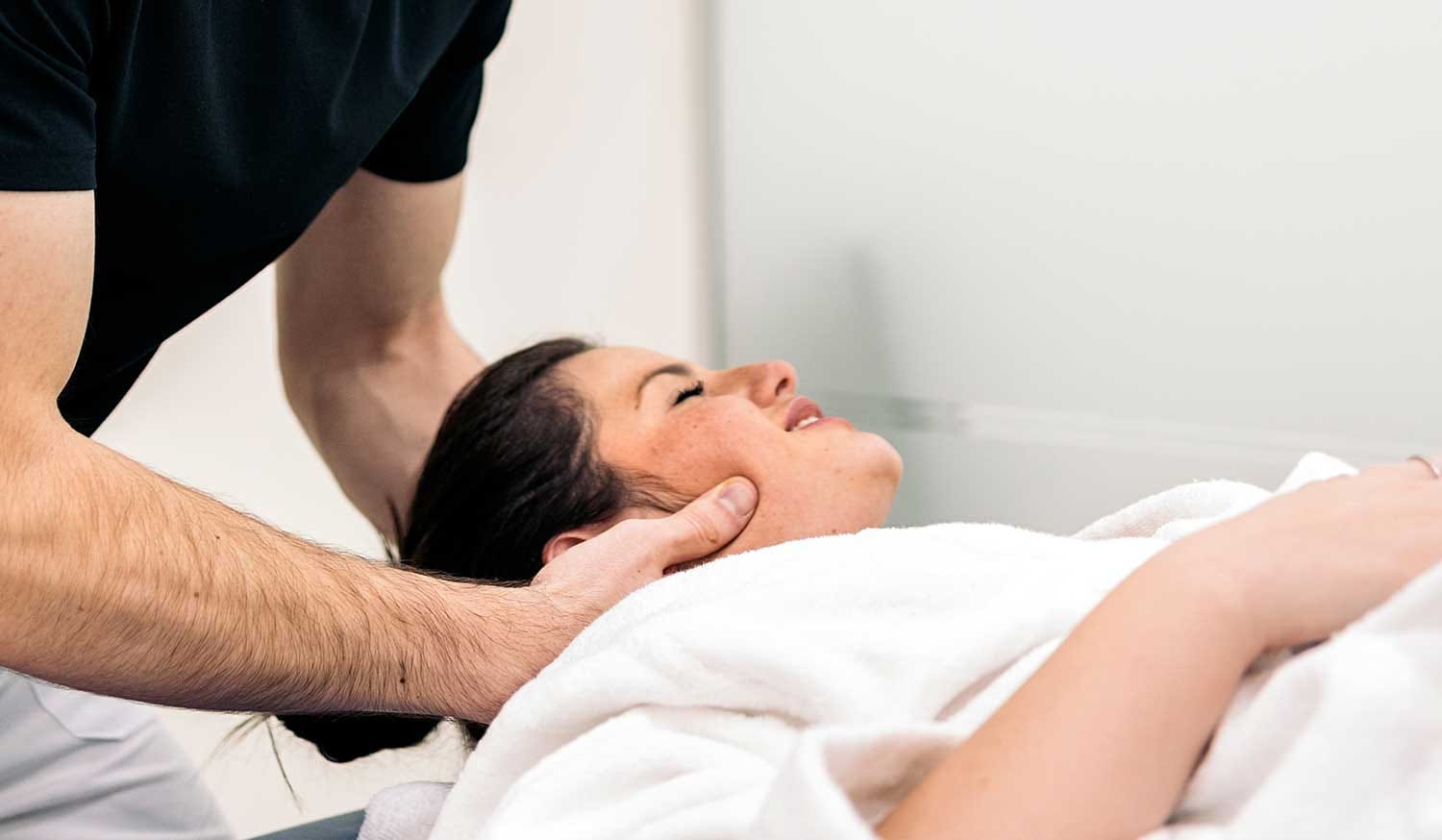
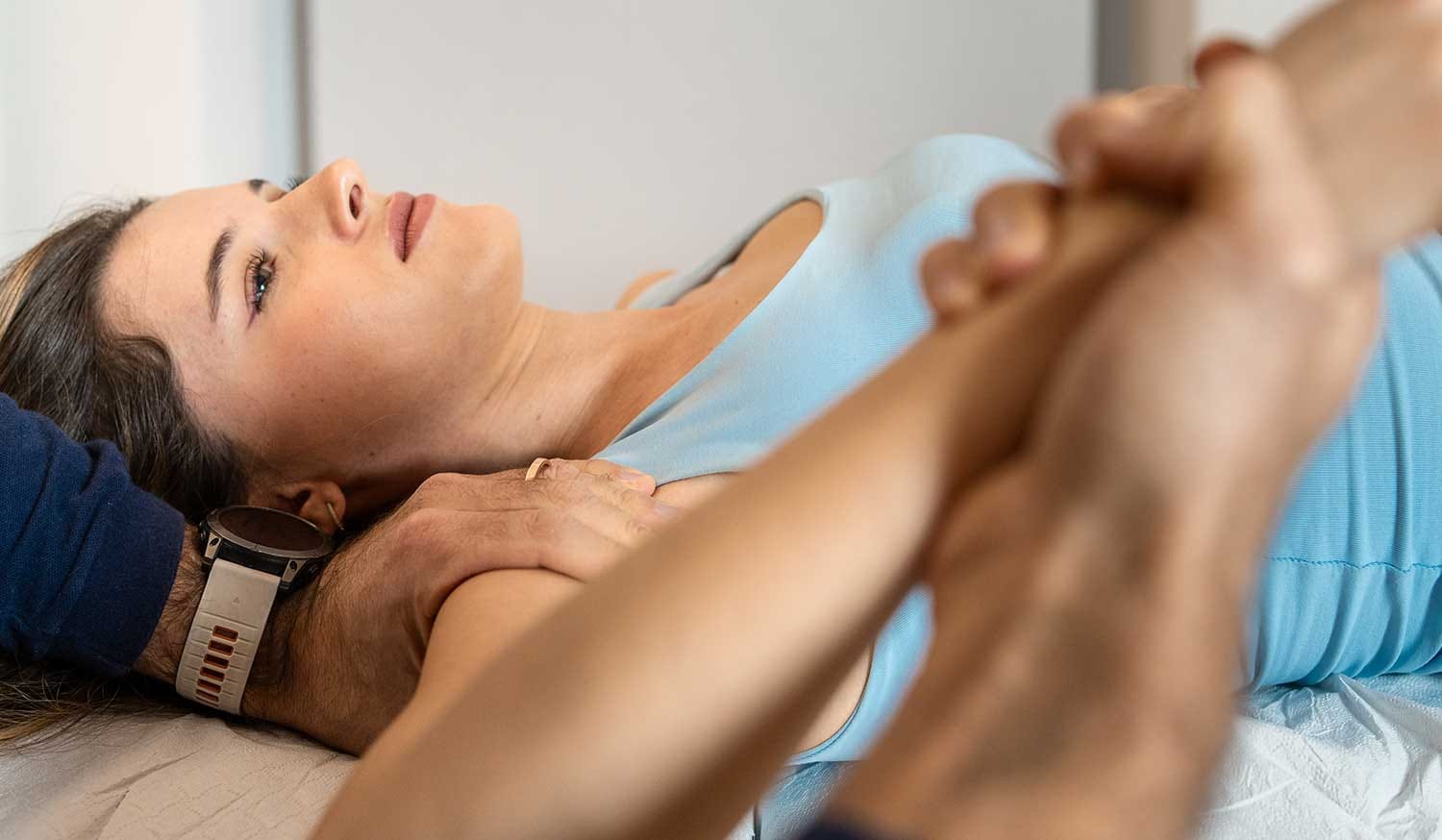
- Techniques are chosen based on the findings: soft tissue release, joint mobilisation, MET, or (if appropriate) gentle spinal adjustments.
- Treatment is tailored to the patient’s comfort level, which is especially important for older adults who may have osteoporotic bone.
- Advice and Home Programme
- After manual treatment, the osteopath will often prescribe self-care stretches, strengthening exercises, or postural corrections to bridge the gap between sessions.
- For fitness enthusiasts, this may include dynamic flexibility drills; for older adults, gentle range-of-motion or balance exercises are recommended.
- Lifestyle advice, such as ergonomic recommendations, sleep posture guidance, and footwear suggestions, reinforces joint health beyond the clinic.
- Follow-up and Ongoing Care
- Depending on the severity and chronicity of the condition, multiple sessions may be scheduled.
- Re-assessing range of motion, pain levels, and functional abilities to monitor progress.
Remember: According to the British Association of Osteopathic Medicine (BAOM), patients typically experience improvements within four to six sessions for most musculoskeletal issues, although individual responses may vary (osteopathy.org.uk).
Finding the Right Osteopath for Joint Health in London
Key Qualifications and Registration
- General Osteopathic Council (GOsC) Registration:
- All practising osteopaths in the UK must be registered with the GOsC (osteopathy.org.uk).
- Registration ensures that practitioners meet rigorous standards of education, clinical training, and professional conduct.
- Degree-Level Education:
- Look for an osteopath who holds a Bachelor’s or Master’s degree in osteopathy from a recognised institution.
- Some may pursue postgraduate certifications in sports osteopathy, geriatric care, or cranial osteopathy for specialised expertise.
- Membership in professional bodies, such as the Institute of Osteopathy (iO) or BAOM, indicates continuing professional development (CPD) and commitment to best practices.
Consider Location and Accessibility
- Central London vs. Outer Boroughs:
- While clinics in central areas, such as Westminster, Camden, or Kensington, may be more accessible via the Tube, they can also be busier and more expensive.
- Consider clinics in boroughs like Richmond, Wandsworth, or Croydon for potentially shorter waiting times and more affordable rates.
- Clinic Environment:
- A welcoming, clean, and well-equipped clinic can enhance your overall experience.
- Check that the clinic has the space and equipment for exercise advice (e.g., resistance bands, stability balls).
Online Reviews and Recommendations
- Patient Testimonials:
- Seek out Google Reviews or Trustpilot feedback, keeping in mind that a few negative reviews among many positive ones are normal.
- Look for comments that specifically mention improvements in flexibility, joint comfort, and functional gains.
- Word of Mouth:
- Ask fellow gym-goers, yoga instructors, or members of a sports club for recommendations.
- For older adults, local community centres or Age UK branches may have lists of recommended osteopaths who work well with seniors.
Practical Tips for Maximising Joint Health and Flexibility
1. Incorporate Daily Movement Breaks
- Micro-Breaks:
- Every hour, stand up, take a short walk, or perform a gentle stretch, especially if your job involves prolonged sitting.
- Even simple movements, such as ankle circles or shoulder rolls, can help prevent stiffness.
- Desk Ergonomics:
- Adjust chair height so that hips and knees are at approximately 90° angles.
2. Regularly Engage in Flexibility Exercises
- Dynamic Stretching for Fitness Enthusiasts:
- Incorporate leg swings, arm circles, and lunges with rotation as part of your warm-up to activate muscles and improve range before training.
- Dynamic exercises prepare the neuromuscular system, complementing the manual work done by an osteopath.
- Static Stretching for Older Adults:
- Hold gentle stretches for 20–30 seconds, focusing on key areas such as calves, hip flexors, and chest.
- Perform stretches after a short walk to ensure muscles are warm and pliable, reducing the risk of overstretching.
3. Strengthening to Support Joints
- Core Stability Exercises:
- A strong core supports lumbar and pelvic stability, reducing compensatory stress on lower limb joints.
- Planks, bird dogs, and pelvic tilts are practical exercises that can be modified for all fitness levels.
- Resistance Training:
- Use light-to-moderate weights or resistance bands to strengthen muscles around vulnerable joints (e.g., quadriceps for knee support).
- With appropriate professional guidance, older adults can safely progress resistance exercises to maintain muscle mass and joint integrity.
4. Maintain a Healthy Lifestyle
- Balanced Nutrition:
- Adequate protein intake supports muscle repair, while foods rich in omega-3 fatty acids (e.g., salmon and chia seeds) help modulate inflammation.
- Vitamin D and calcium are essential for bone health, which indirectly supports joint function, particularly in older adults at risk of osteoporosis.
- Hydration:
- Proper hydration ensures optimal synovial fluid viscosity, which keeps joints well-lubricated.
- Aim for at least 1.5–2 litres of water per day, adjusting for activity levels and climate.
- Weight Management:
- Excess body weight increases joint load, especially at the knees and hips, accelerating degenerative changes.
- A combination of low-impact exercise (e.g., swimming, walking) and dietary adjustments can help maintain healthy joint mechanics.
Frequently Asked Questions (FAQs)
Q1: How often should I see an osteopath to maintain joint health?
- A: Frequency varies depending on individual needs. For acute issues (e.g., sudden onset of joint pain), you might benefit from 1–2 sessions per week for a short period. For maintenance, especially for older adults or high-level athletes, monthly visits may suffice. Discuss frequency with your osteopath based on your response to treatment.
Q2: Is osteopathy painful?
- A: Osteopathic techniques are generally gentle and tailored to your comfort level. You may experience mild soreness, similar to that after a good gym workout, especially when soft tissue work is involved. Always communicate with your osteopath if you feel undue discomfort.
Q3: Can osteopathy prevent joint surgery?
- A: Osteopathy aims to alleviate symptoms and optimise joint function; it cannot reverse severe structural damage such as full-thickness cartilage loss. However, for many patients with early or moderate joint issues, osteopathy can help to delay or reduce the need for surgical intervention. Outcomes vary from person to person.
Q4: How do I find a reputable osteopath in London?
- A: Ensure they are registered with the General Osteopathic Council (GOsC) and preferably a member of professional bodies such as the Institute of Osteopathy (iO). Check for additional credentials, such as postgraduate courses in sports or geriatric osteopathy, and read online reviews or seek word-of-mouth recommendations from trusted friends.
Conclusion
Whether you are a dedicated fitness enthusiast aiming to crush personal bests or an older adult striving to preserve mobility and reduce discomfort, finding a qualified osteopath for joint health in London can be transformative.
By choosing a registered osteopath who focuses on evidence-based practice, you can expect a treatment plan that is tailored to you and delivered with care.
Finally, remember that self-care plays a crucial role. Incorporating daily movement breaks, targeted flexibility exercises, and strength training, alongside regular osteopathic sessions, maximises long-term joint function. Maintaining a balanced diet, staying hydrated, and managing your weight further enhance joint resilience.
Let us help you unlock your body’s natural capacity for movement, allowing you to enjoy life, whether you’re hitting the gym, strolling through your neighbourhood, or simply bending down to tie your shoelaces without pain.
References & Further Reading:
- National Health Service (NHS). Osteoarthritis. https://www.nhs.uk/conditions/osteoarthritis
- Institute of Osteopathy. What Is Osteopathy? https://www.osteopathy.org.uk/patients/what-is-osteopathy/