Postural imbalances can manifest in various forms, and understanding the type you are experiencing helps in developing the proper treatment approach. Common types include:
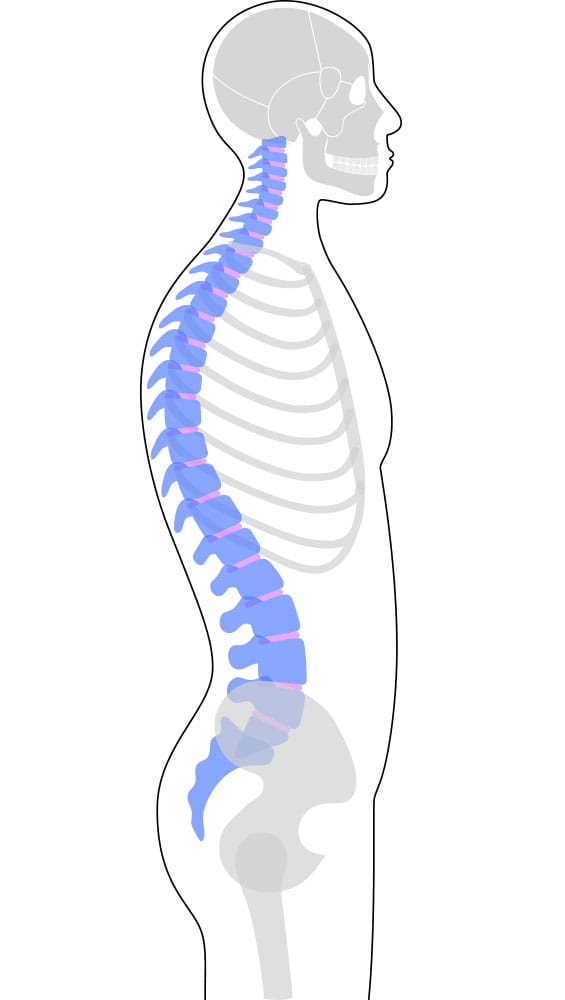
Kyphosis (Hunchback)
Excessive curvature of the upper back, often caused by prolonged slouching or sitting at a desk.
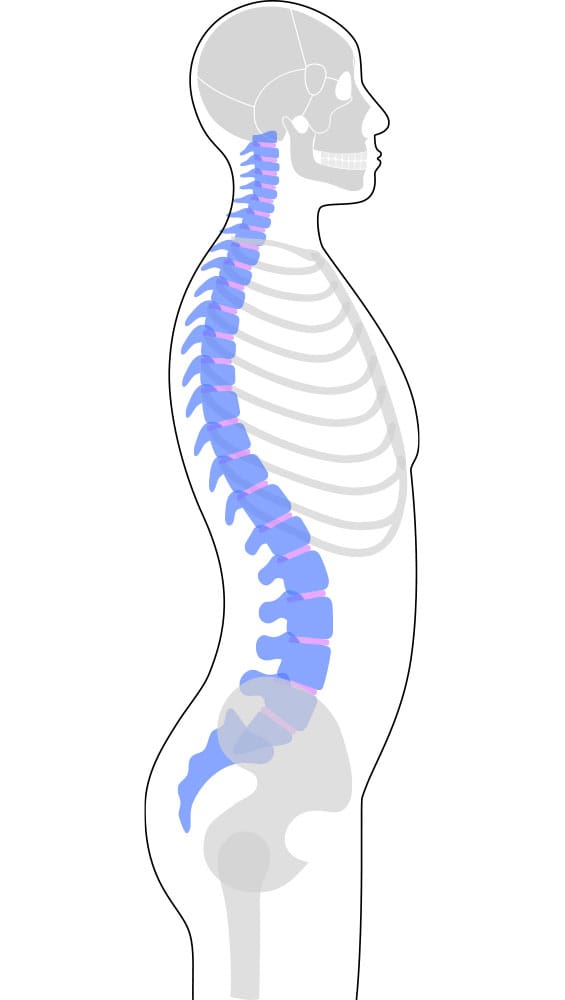
Lordosis (Swayback)
An exaggerated inward curve of the lower back, often seen in individuals who spend long periods standing or carrying heavy loads.
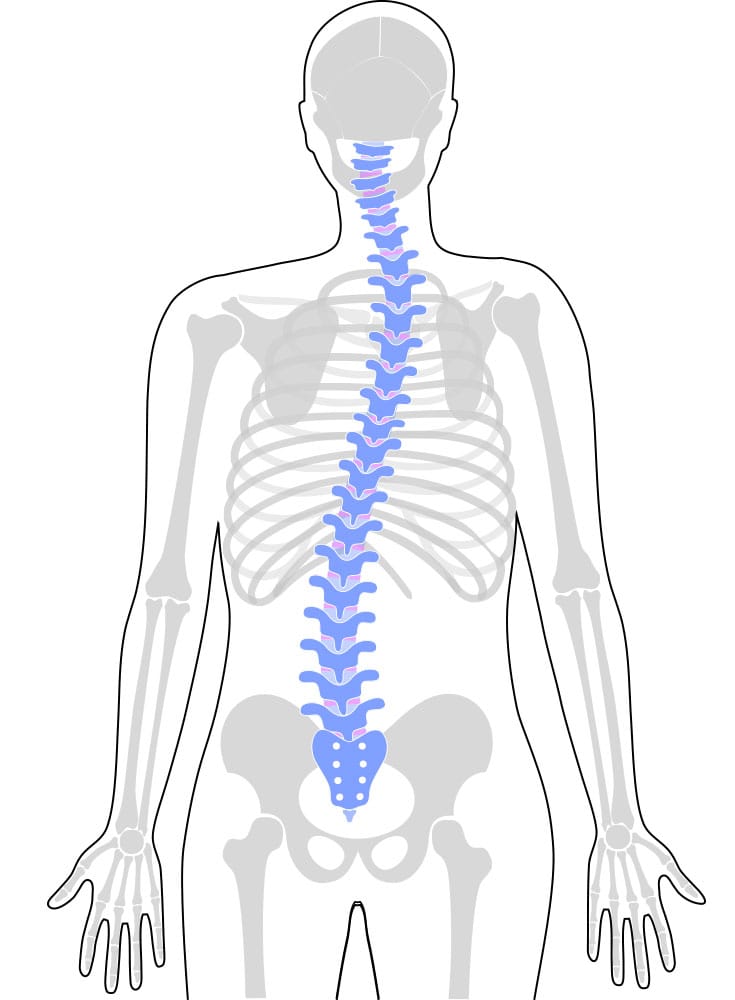
Scoliosis
A lateral curvature of the spine that can vary from mild to severe, impacting overall posture and balance.
Forward Head Posture
A common issue where the head juts forward, placing strain on the neck and upper back muscles.
Pelvic Tilt
Anterior or posterior tilt of the pelvis can cause an imbalance between the lower back and core muscles.
Each of these imbalances requires specific interventions, which we tailor at MHV Clinic based on your unique needs.
Your osteopath will look at how you stand, sit and move, check the height of your shoulders and hips, and test the strength and flexibility of the muscles that hold you upright. Most imbalances come from habits, such as long hours at a desk or always carrying a bag on one side.
Signs it is worth getting checked
One shoulder or hip sits higher than the other
Your clothes or bag straps always slip to one side
You get aches at the end of the working day that ease at weekends
Your neck pokes forward when you look at a screen
What treatment looks like
Treatment eases the tight areas, frees stiff joints and then builds strength where you need it. You leave with a short exercise plan and practical changes to your desk and daily routine, so the improvement lasts.
We use cookies to understand how visitors use our website and to improve it. Analytics and session recording only run if you click Accept. You can change your mind at any time.