Repeating the same motion frequently, especially without proper posture, can cause inflammation or swelling of surrounding tissues that pinch a nerve. This is common in athletes and people with physically demanding jobs.
Injury or Trauma:
Accidents, falls, or sports injuries can cause fractures, dislocations, or inflammation, putting pressure on nerves. Even minor injuries that involve sudden movements can lead to nerve compression.
Poor Posture:
Slouching or sitting in a hunched position for extended periods can strain the spine and neck, leading to a trapped nerve in the back or shoulders.
Obesity:
Excess body weight adds pressure to joints and muscles, increasing the likelihood of nerve compression, especially in the lower back.
Arthritis:
Inflammatory conditions like arthritis can cause bone spurs, which compress nearby nerves, leading to pain and reduced range of motion.
Disc Herniation:
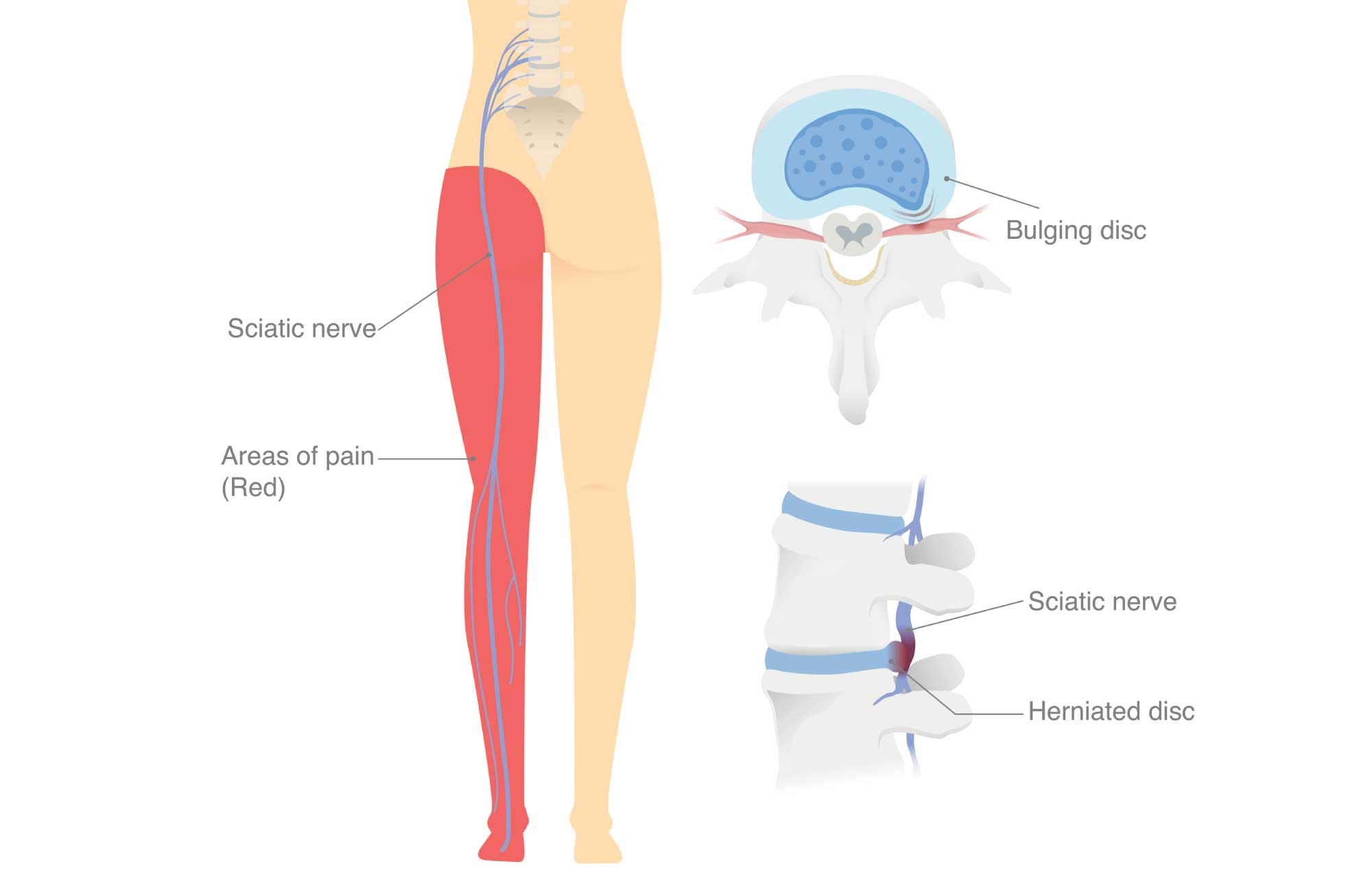
A herniated disc in the spine can press on nerve roots, causing pain, tingling, or numbness down the legs or arms, depending on the location of the trapped nerve.
Who is more likely to get a trapped nerve?
A trapped nerve happens when nearby tissue, such as a disc, a bony change in a joint or a tight muscle, presses on a nerve. It is more common with age, repetitive work, poor posture, being overweight, pregnancy and conditions such as arthritis or diabetes.
See a GP or get urgent help if
Numbness or weakness is spreading or getting worse
You have trouble with balance or walking
You lose control of your bladder or bowels
Symptoms came on after a fall or accident
How we can help
Your osteopath will find where the nerve is being pinched, ease the surrounding muscles and joints and give you positions and exercises that take pressure off it. If we think you need further tests, we will tell you.
By understanding the underlying cause of your trapped nerve, we can better design a treatment plan to relieve pressure and restore normal nerve function.
We use cookies to understand how visitors use our website and to improve it. Analytics and session recording only run if you click Accept. You can change your mind at any time.