
-
Where does it hurt?
Common conditions
Treatments
- Fees
- Corporate DSE
- Programs
- Shop
- Contact
Mappin House, 4 Winsley St, London W1W 8HF
Mappin House, 4 Winsley St, London W1W 8HF
Expert tips and evidence-based advice.
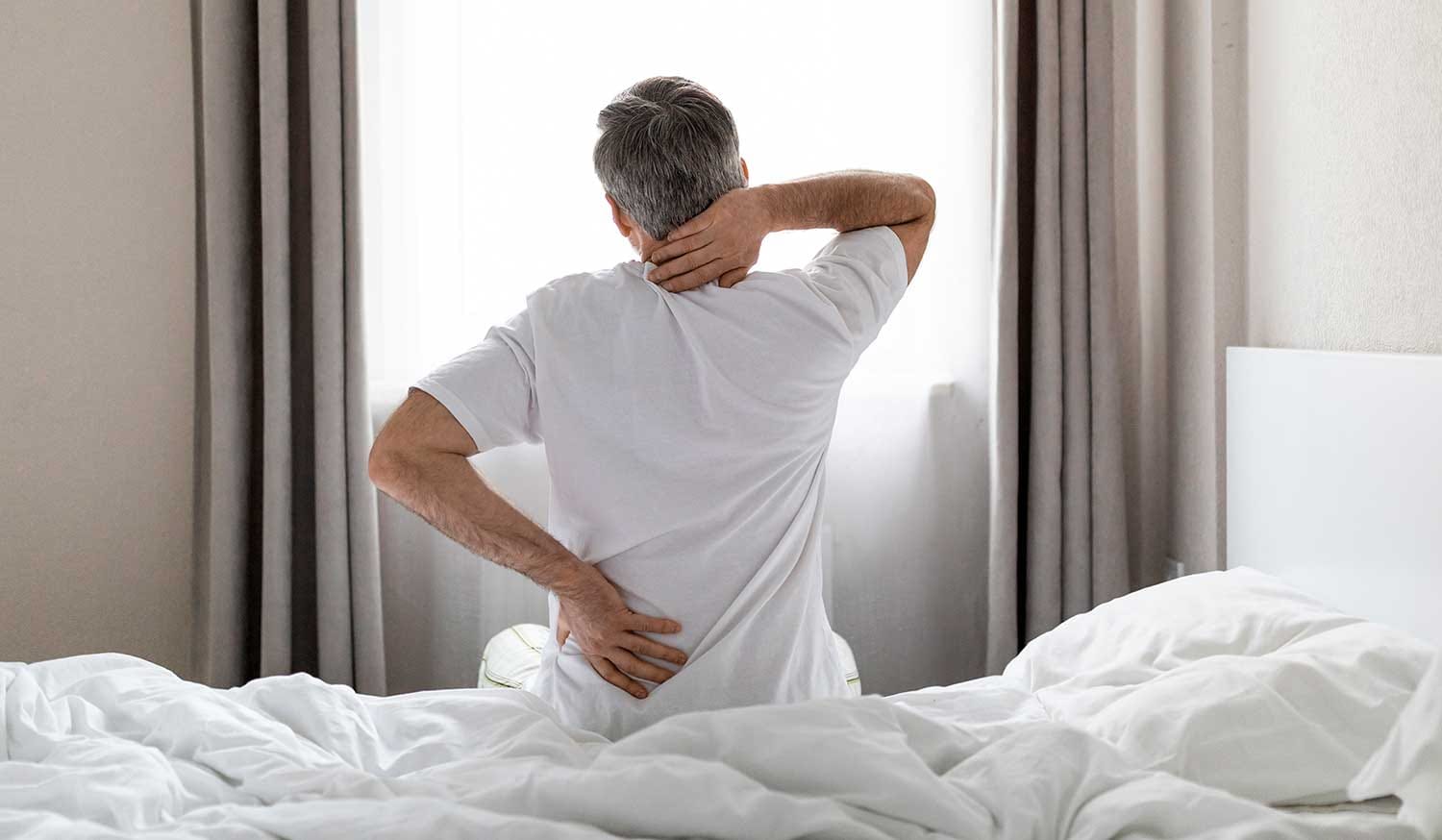
The short answer: most morning lower back pain comes from the spine and its muscles stiffening after hours in one position, often made worse by an unsupportive mattress, how you sleep, or a back that is already irritated from the day before. It usually eases within half an hour of moving. Stiffness that lasts longer than that, or that comes with fatigue or swollen joints, is worth having checked.
Waking up with aching or stiff lower back pain each morning can set a challenging tone for your entire day. Not only does it affect your comfort, but it may also interfere with your ability to work, stay active, and enjoy life. Fortunately, understanding the root causes and exploring appropriate diagnostic and rehabilitation services, such as osteopathy, can provide relief and long-term solutions. In this comprehensive guide, you’ll learn:
Morning lower back pain refers to discomfort, stiffness, or aching felt in the lumbar region upon waking. Typically, it improves after you move around, stretch, or take a hot shower. However, when pain persists daily, it’s a sign that something more significant may be going on.
Key characteristics:
Understanding why your back hurts when you wake up is the first step towards relief. Let’s explore the most frequent culprits:
Firstly, lying in an awkward position all night can strain the spine. A mattress that is too soft or too firm fails to support your natural spinal curvature, leading to muscle tension and joint stress.
Moreover, weak abdominal and back muscles cannot adequately stabilise the spine overnight. Muscular imbalance, where some muscles are overactive and others underactive, can create uneven loading on spinal joints.
In addition, certain positions, such as sleeping on your stomach, can hyperextend the lower back, placing undue stress on lumbar joints and ligaments.
However, structural changes like osteoarthritis of facet joints, degenerative disc disease, or spinal stenosis can manifest as morning pain. These age-related changes reduce joint space and provoke inflammation.
Finally, inflammatory conditions such as ankylosing spondylitis often present with prominent morning stiffness lasting more than 30 minutes. If your pain is accompanied by prolonged stiffness, fatigue, or joint swelling in other areas, consult your GP for appropriate investigations.

Osteopathy is a patient-centred manual therapy that focuses on diagnosing, treating, and preventing musculoskeletal dysfunction. Here’s how an osteopath at MHV Clinic would approach your morning lower back pain:
After hands-on treatment, your osteopath will prescribe individualised exercises to strengthen weak muscles and stretch tight structures. Incorporating these into your daily routine helps maintain treatment gains and prevents recurrence.
Alongside manual treatment, exercise-based rehabilitation, education and functional restoration can optimise outcomes:
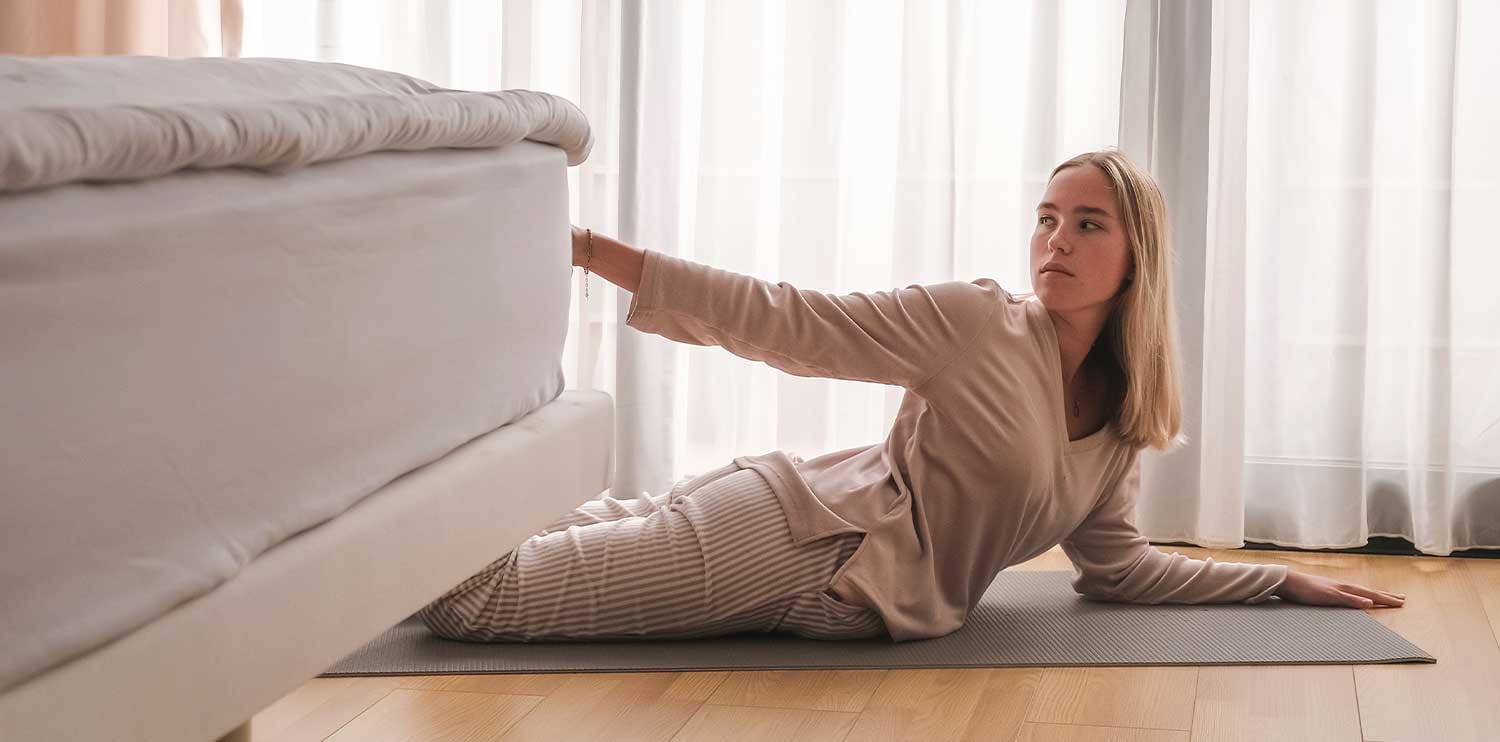
Between professional treatments, these simple home-based measures can make a significant difference:
While most cases of morning lower back pain are mechanical and respond to conservative care, red flags necessitate prompt medical attention:
If you experience any of these symptoms, please consult your GP or attend an emergency department as appropriate.
We blend hands-on skills with exercise-based rehabilitation to deliver evidence-based, patient-centred care.
Morning lower back pain can be more than just an inconvenient wake-up call, it can signal underlying musculoskeletal imbalances, poor sleep posture, or structural changes. Remember, responsible health advice means seeking professional assessment before undertaking new treatments. If you’re ready to take the first step towards pain-free mornings, contact MHV Clinic today to book your initial consultation.
Over a night the muscles and joints around the lower spine stay in one position and can stiffen, and a mattress or sleeping position that does not support your back can add strain. The pain often eases as you move around.
Mild stiffness that loosens within about half an hour is common. Pain that is severe, gets worse over weeks, or comes with fever, weight loss, numbness or weakness in the legs needs prompt medical advice.
Gentle movement such as knee-to-chest stretches and pelvic tilts, a warm shower or heat pack, a supportive mattress, and sleeping on your side with a pillow between your knees all help for many people.
Yes. An osteopath can assess what is driving your pain, treat stiff joints and tight muscles, and give you exercises and sleep advice. You can book an appointment online.
Disclaimer: This article is for informational purposes only and does not constitute medical advice. Always seek the guidance of a qualified healthcare professional for diagnosis and treatment.