
-
Where does it hurt?
Common conditions
Treatments
- Fees
- Corporate DSE
- Programs
- Shop
- Contact
Mappin House, 4 Winsley St, London W1W 8HF
Mappin House, 4 Winsley St, London W1W 8HF
Are you dealing with persistent back pain or nagging joint aches that disrupt your daily life in bustling London? At MHV Clinic, our Osteopath Treatment Conditions Guide helps you understand how osteopathy can provide natural, hands-on relief. This guide outlines the common conditions osteopaths treat, focusing on musculoskeletal issues that affect many in our fast-paced city. Whether you’re searching for an osteopath in London or osteopathic treatments near you, we’ll explain how osteopathic treatment approaches can restore balance and mobility.
From arthritic pain to sciatica, learn how our expert techniques promote healing without invasive procedures. Dive in to see if osteopathy is right for you and take the first step toward feeling better.

Osteopathy is a holistic therapy that focuses on the body’s musculoskeletal system to improve overall health. Osteopaths use gentle manipulations, stretches, and massages to enhance blood flow, reduce tension, and support the body’s natural healing processes. This approach is particularly beneficial for those in London who face stress from commuting or desk-based work.
In our Osteopath Treatment Conditions Guide, we emphasise evidence-based treatments. Osteopaths target the root causes of discomfort rather than just symptoms. For instance, if you’re experiencing pain due to poor posture, an osteopath can help realign your spine for lasting relief.
Many people turn to osteopathy as a complementary therapy to other treatments. It’s non-invasive and suitable for people of all ages, making it a popular choice for osteopathic treatment needs.
Osteopaths excel at treating issues related to muscles, joints, and bones. These problems often stem from everyday activities or repetitive strains common in urban life.
Back pain affects millions, and osteopaths can address general, acute, and chronic backache not caused by injury. Techniques such as spinal manipulation can ease discomfort and improve flexibility.
Lumbago, or lower back pain, responds well to osteopathic care. By adjusting misaligned vertebrae, osteopaths reduce pressure on nerves and muscles.
Sciatica, where pain radiates down the leg, is another area of focus. Gentle mobilisations can alleviate this by freeing trapped nerves.
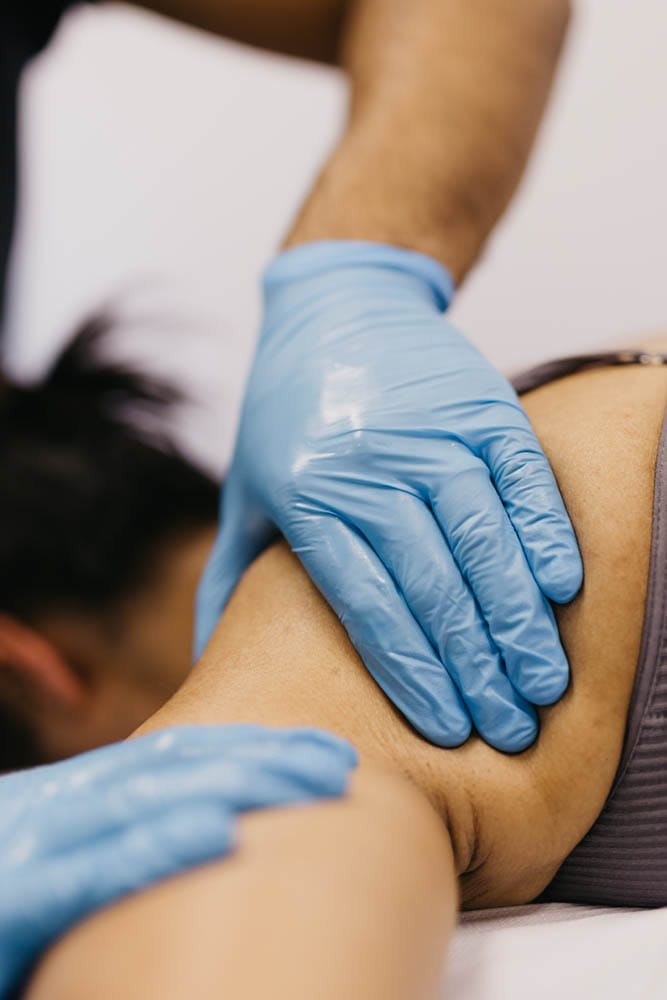

Joint pains, including those associated with osteoarthritis in the hips and knees, can be managed as an adjunct to exercises and core strengthening treatments. Osteopaths work to increase joint range and decrease stiffness.
Arthritic pain benefits from improved circulation through manual therapy. This helps nourish joints and reduce inflammation naturally.
Rheumatic pain, often widespread, finds relief as osteopaths address underlying muscle tensions.
Frozen shoulder and shoulder pain linked to back or neck issues are treatable. Osteopaths use targeted stretches to restore movement.
Elbow pain, such as tennis elbow, resulting from musculoskeletal conditions of the back and neck, can improve with holistic adjustments. Note that isolated cases may require different approaches.
Uncomplicated mechanical neck pain can be relieved through soft tissue work, which helps ease headaches arising from the neck (cervicogenic).
If referencing an image here: Suggest an image of an osteopath performing a gentle neck adjustment.
Migraine prevention is possible when headaches stem from neck tension. Osteopaths release tight muscles to reduce frequency and intensity.
Cervicogenic headaches, caused by issues in the neck, often resolve with realignment techniques.
Muscle spasms and cramps can be soothed by improving blood flow and relaxing tissues.
Neuralgia, or nerve pain, benefits from decompression methods that free irritated nerves.
Fibromyalgia, with its widespread pain, sees symptom management through gentle, whole-body approaches.
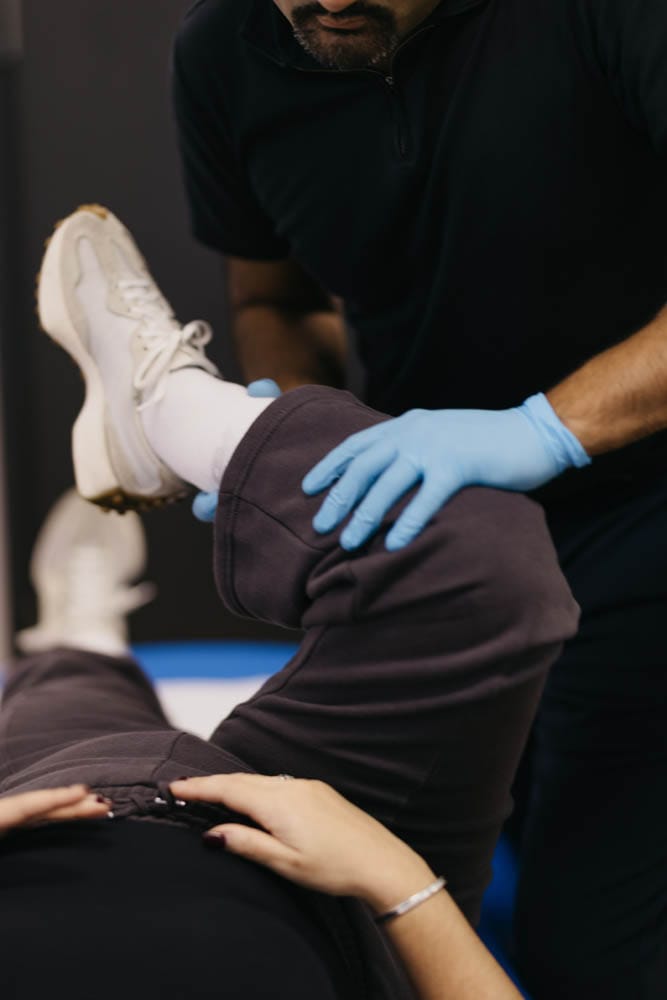
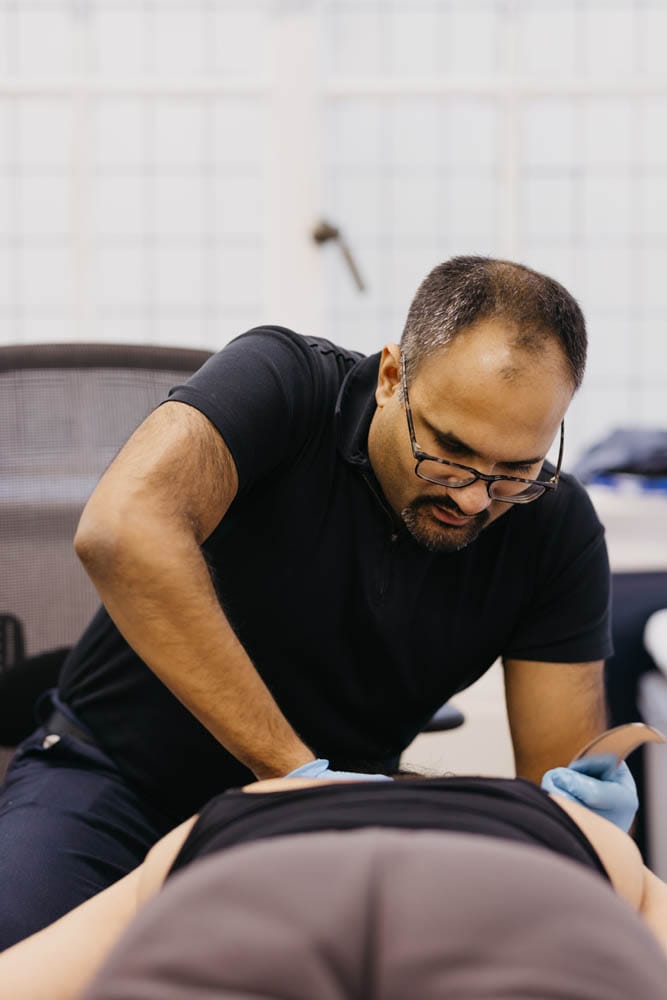
Generalised aches and pains are addressed by balancing the body’s structure.
Circulatory problems improve as osteopathy enhances blood and lymph flow.
Digestion problems may ease when spinal misalignments affecting nerves are corrected.
Minor sports injuries heal quickly with osteopathic support, aiding tissue repair.
In London, where active lifestyles meet city demands, finding an osteopath like those at MHV Clinic ensures tailored care. Our Osteopath Treatment Conditions Guide highlights how these treatments fit into your routine.
Osteopathy is a manual therapy that treats the body’s framework to promote health. It involves hands-on techniques, such as manipulation and massage, to improve alignment and function. At MHV Clinic, our Osteopath Treatment Conditions Guide demonstrates how it addresses root causes, such as poor posture, which can lead to pain. It’s safe, non-invasive, and backed by UK regulations for conditions like back pain. Sessions typically last 30-60 minutes, with results often felt after a few visits.
Yes, osteopaths can treat elbow pain, such as tennis elbow, when it arises from associated musculoskeletal conditions in the back or neck. Isolated cases may need referral. Treatment involves gentle adjustments to relieve pressure and improve mobility. In London, where repetitive tasks are a daily occurrence, this approach offers benefits such as reduced inflammation and faster recovery. Always consult a professional for personalised advice.
Start by searching for “osteopath in London” or visiting clinics like MHV Clinic. We offer convenient locations and expert osteopathic services.
Check reviews and ensure the osteopath is registered with the General Osteopathic Council. Book an initial consultation to discuss your needs – it’s a straightforward way to get started on relief.
Osteopathy helps manage arthritic pain and joint issues associated with osteoarthritis as a complementary support to exercises and other treatments. It focuses on enhancing mobility and reducing discomfort through manual techniques. While not a cure, it provides ongoing relief for many in London dealing with daily aches. Evidence from UK bodies supports its use for these purposes.
You’ll discuss your history, and then the osteopath will examine your posture and movement. Treatment includes hands-on techniques such as stretching and adjustments. It’s comfortable and tailored – wear loose clothes. Sessions aim to ease symptoms listed in our Osteopath Treatment Conditions Guide, with follow-up advice for home care.
