
-
Where does it hurt?
Common conditions
Treatments
- Fees
- Corporate DSE
- Programs
- Shop
- Contact
Mappin House, 4 Winsley St, London W1W 8HF
Mappin House, 4 Winsley St, London W1W 8HF
Discover how our osteopathic blading and soft tissue mobilisation treatment at MHV Clinic can help relieve chronic pain, improve mobility, and support recovery safely and effectively.
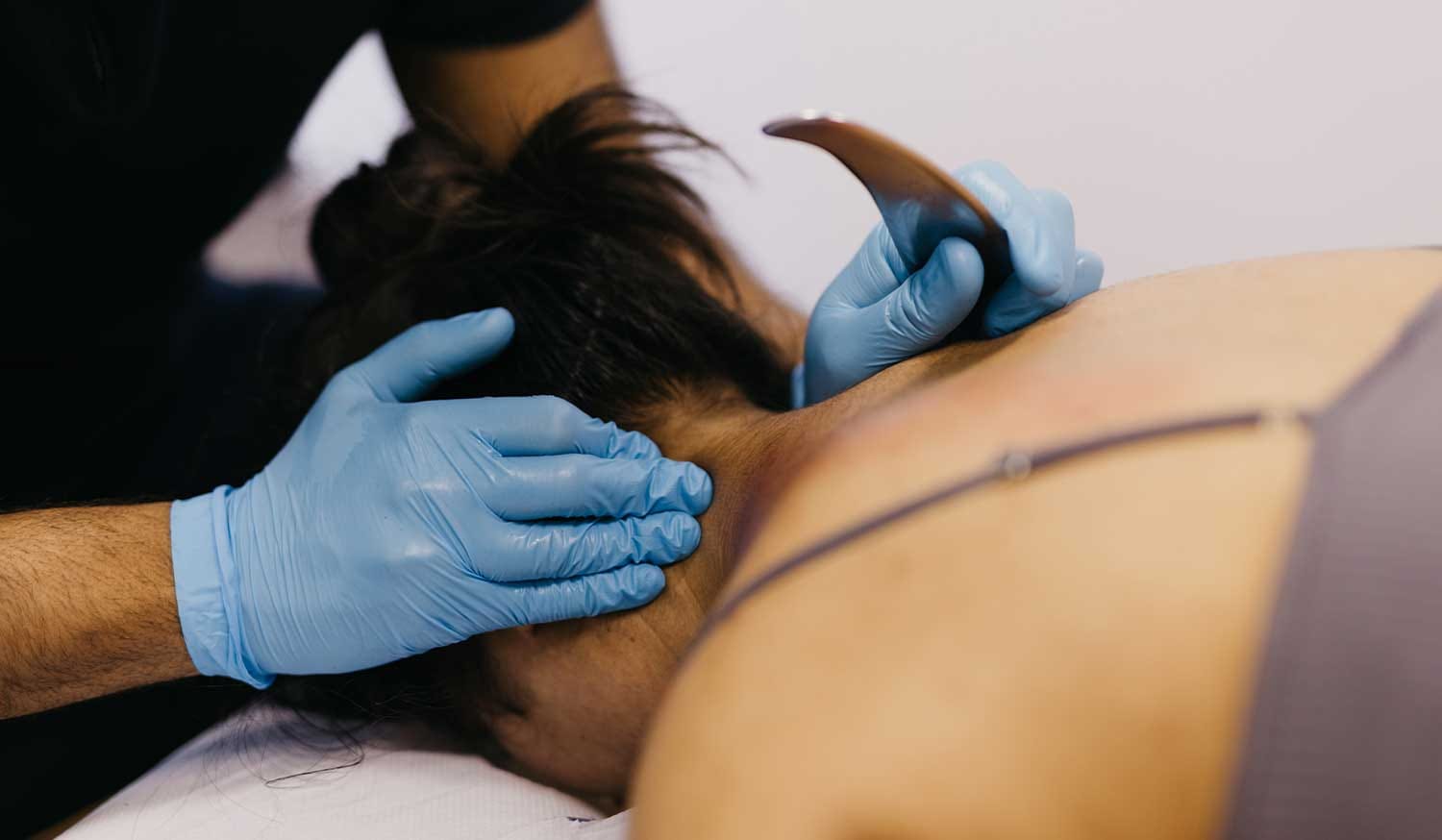
Soft tissue mobilisation treatment is increasingly recognised within osteopathy for its capacity to address chronic pain, stiffness and lingering injuries. At MHV Clinic, our experienced osteopaths utilise advanced blading techniques alongside manual mobilisation to deliver a tailored approach. Consequently, patients frequently report enhanced mobility, reduced discomfort and accelerated recovery.
Moreover, our osteopaths are regulated healthcare professionals and follow the standards set by the General Osteopathic Council. By combining hands-on expertise with the latest therapeutic tools, we aim to deliver effective, patient-centred care.
Soft tissue mobilisation (STM) refers to various hands-on techniques designed to manipulate muscles, fascia and connective tissues to:
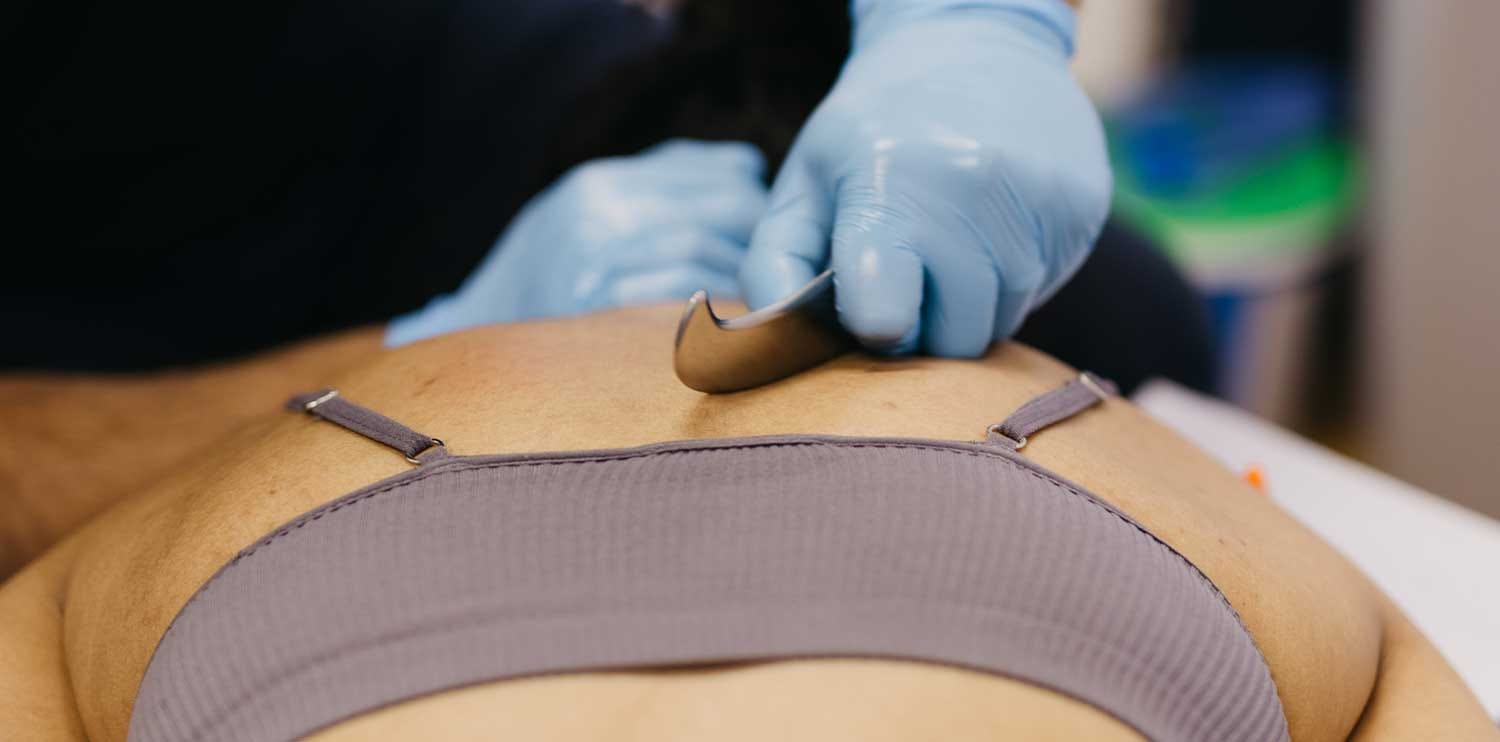
At MHV Clinic, our osteopaths often employ blading techniques, sometimes called Graston®, where specialised stainless-steel instruments gently scrape the skin to target underlying restrictions. As a result, patients may notice reduced muscle tension and improved range of motion.
An osteopath undergoes rigorous training to understand the body’s biomechanics, allowing for precise identification of dysfunctional soft tissue. Therefore, when you visit our clinic, your osteopath will:
Indeed, the versatility of osteopathy means soft tissue mobilisation is seamlessly integrated into a holistic recovery plan, rather than applied in isolation.
Technique Description Ideal For
Blading (Graston®) uses stainless-steel tools to detect and treat fascial restrictions, Chronic adhesions, and scar tissue.
Manual STM Hands-on kneading, stretching and pressure General muscle tightness, spasm
However, these approaches are complementary. Initially, blading may release deep adhesions, whereas manual STM helps integrate tissues and maintain flexibility.
Although individual responses vary, the following benefits are frequently reported:
Research into these techniques is still developing. For example, a 2021 study in the Journal of Manipulative and Physiological Therapeutics found significant improvements in shoulder range of motion after Graston therapy in patients with adhesive capsulitis. 1 Furthermore, NICE guidelines advocate manual therapies, under professional supervision, for chronic low back pain management (https://www.nice.org.uk/guidance/cg88)2.
Soft tissue mobilisation treatment suits a wide range of individuals, including:
However, STM may not be suitable for everyone. Contraindications include active infection, open wounds or severe osteoporosis. Prior to any treatment, our osteopaths conduct a thorough safety assessment to ensure the treatment is appropriate.
At MHV Clinic, we prioritise a patient-centred, evidence-informed model:
By following this structured process, we ensure each session is effective, safe and aligned with your recovery goals.
As regulated healthcare practitioners, MHV Clinic osteopaths comply with:
To derive maximum benefit, soft tissue mobilisation treatment should be part of a broader rehabilitation strategy:
By combining these elements, patients achieve more sustainable improvements and lower the risk of re-injury.
Q: Does blading hurt?
A: You may experience mild discomfort or a “grating” sensation during treatment, but pressure is always adjusted to your tolerance. Afterwards, some tenderness or bruising can occur for 24–48 hours.
Q: How many sessions will I need?
A: Individual needs vary, so your osteopath will advise on how many sessions you may need. Your osteopath will review progress regularly and recommend any necessary adjustments.
Q: What does the evidence say about soft tissue mobilisation?
A: Yes. Some studies have looked at soft tissue mobilisation for conditions such as tendinopathies, chronic pain syndromes and post-surgical scar management, but the evidence is limited. Please ask your osteopath for specific references.
Whether you’re suffering from an old injury, chronic stiffness, or simply seeking to enhance your performance, our team is here to help.
Ready to experience the benefits of soft tissue mobilisation treatment? Contact MHV Clinic to arrange your initial consultation. Early intervention often leads to better outcomes, so don’t delay in seeking professional osteopathic care.
By choosing MHV Clinic, you’re opting for a trusted partner in your recovery, one that respects professional standards, follows UK regulatory guidance and puts your well-being at the forefront.
References: