
-
Where does it hurt?
Common conditions
Treatments
- Fees
- Corporate DSE
- Programs
- Shop
- Contact
Mappin House, 4 Winsley St, London W1W 8HF
Mappin House, 4 Winsley St, London W1W 8HF
A trapped nerve, often called a pinched nerve, can cause sharp, burning or aching pain, tingling or numbness. This guide explains what a trapped nerve is, when to see your GP first, and how an osteopath at MHV Clinic may be able to help.
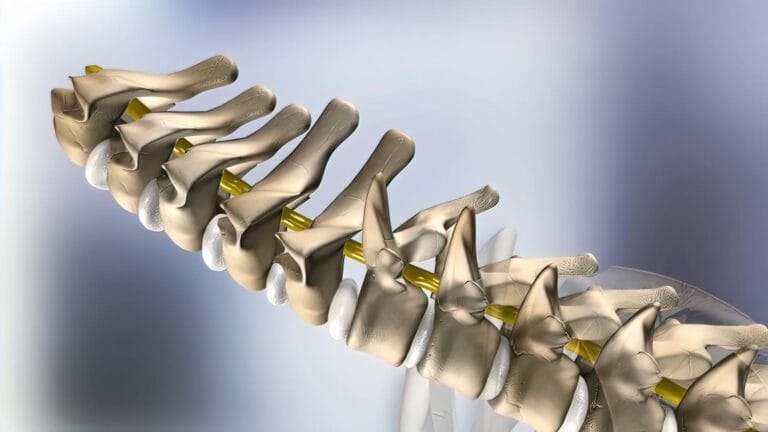
A trapped nerve, also called nerve compression, happens when surrounding tissue such as bone, cartilage, muscle or tendon puts pressure on a nerve. Common causes include injury, repetitive movements, prolonged sitting or standing in one position, arthritis and disc problems in the spine.
Symptoms depend on which nerve is affected, but often include:
Most trapped nerves settle with time and sensible management, but some symptoms need prompt medical attention. Seek urgent help, such as NHS 111 or A&E, if you have:
You can read more in the NHS guidance on pinched nerves.
An osteopath looks at the area of pain together with the joints, muscles and posture around it, because the cause of nerve irritation is often somewhere nearby. At MHV Clinic, an appointment usually includes:
Osteopathy is not a replacement for medical care. If we think your symptoms need investigation or a different kind of treatment, we will tell you and suggest you see your GP. Results vary from person to person, and the evidence for osteopathic treatment of nerve-related pain is limited.
If your symptoms are mild and you have no warning signs, an osteopath can assess you. If you are unsure, or your symptoms are getting worse, start with your GP. Other regulated professions, including physiotherapists and chiropractors, also see people with nerve pain. MHV Clinic is an osteopathic clinic, so we can only speak for osteopathic care. Whoever you choose, check that they are registered with their regulator; osteopaths must be registered with the General Osteopathic Council.
An osteopath can assess what may be contributing to your symptoms and offer hands-on treatment and advice that may help to ease them. They will refer you on if your symptoms suggest something that needs medical attention.
It varies with the cause and the nerve involved. Many mild cases improve within days to weeks, but if symptoms last or worsen, see your GP.
Treatment should not be more than mildly uncomfortable. Your osteopath adjusts what they do to your comfort, so say if anything is too much.
Osteopathy is a statutorily regulated profession in the UK, but it is not widely available on the NHS. See our page on osteopathy and the NHS.
Our osteopaths at Mappin House, 4 Winsley Street, London W1W 8HF, can assess your symptoms and advise on next steps. Book an appointment or see our fees.