
-
Where does it hurt?
Common conditions
Treatments
- Fees
- Corporate DSE
- Programs
- Shop
- Contact
Mappin House, 4 Winsley St, London W1W 8HF
Mappin House, 4 Winsley St, London W1W 8HF
Slipped disc symptoms, non-surgical options and how an osteopath at MHV Clinic can help, with advice on when to see your GP.
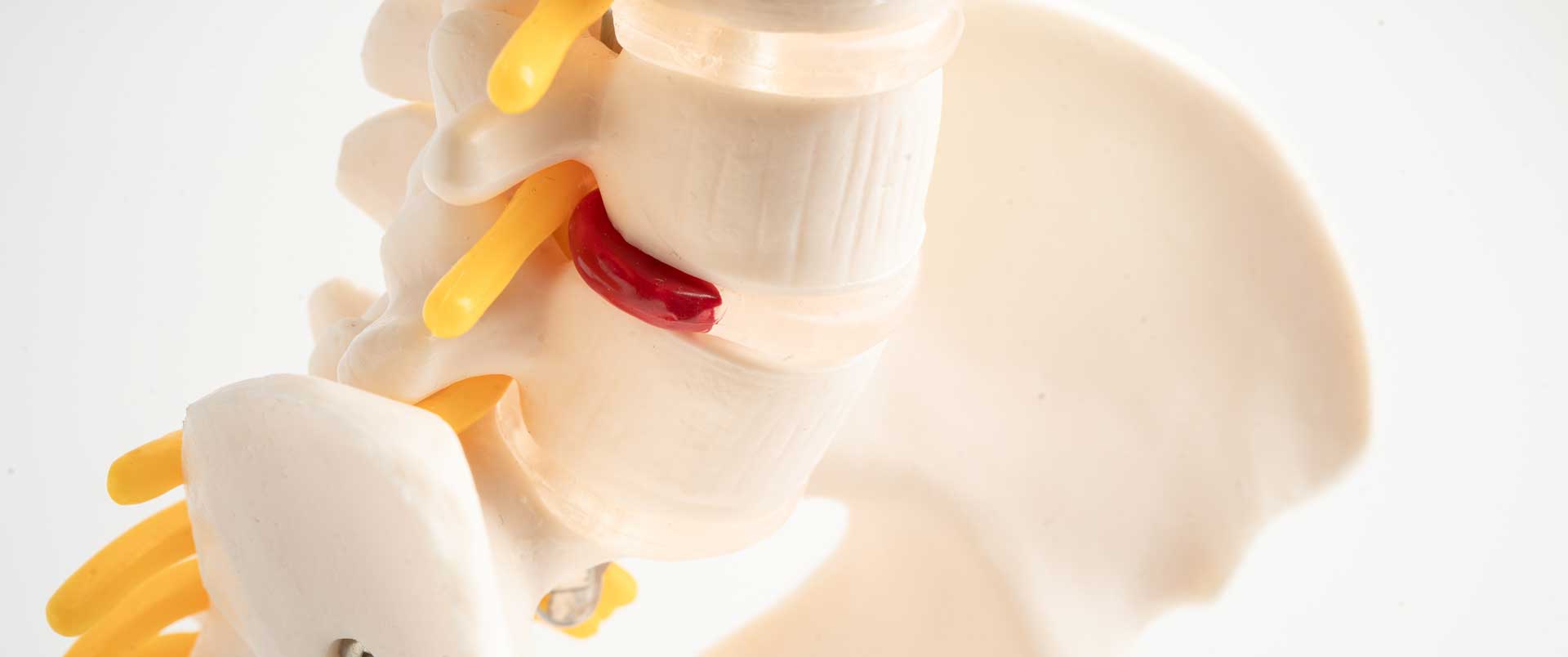
A slipped disc, sometimes called a herniated disc, can affect daily life. This guide explains the symptoms, how it is assessed, the non-surgical options, and how osteopathic care at MHV Clinic fits in.
What Is a Slipped Disc?
A slipped disc occurs when one of the intervertebral discs, cushions between the vertebrae, protrudes from its normal boundary. This condition can result from age-related degeneration, injury, or repetitive strain. When the disc material presses on surrounding nerves, it can cause pain, numbness, or weakness, depending on the location and severity of the slip.
Intervertebral discs comprise a soft, gel-like center (nucleus pulposus) and a more rigid outer layer (annulus fibrosus). Over time, or after significant trauma, the annulus fibrosus can weaken, allowing the nucleus pulposus to bulge or leak out. While “slipped disc” is commonly used, many experts prefer “herniated disc” to more accurately describe the condition.
The Anatomy and Function of the Spine
The human spine is a complex structure that supports the body’s weight, facilitates movement, and protects the spinal cord. Each disc acts as a shock absorber between the vertebrae. When one of these discs is compromised, it can lead to:
Understanding this anatomy is essential for appreciating how various treatments, ranging from manual therapies to exercise, can help alleviate symptoms and restore function.
Recognising the Symptoms
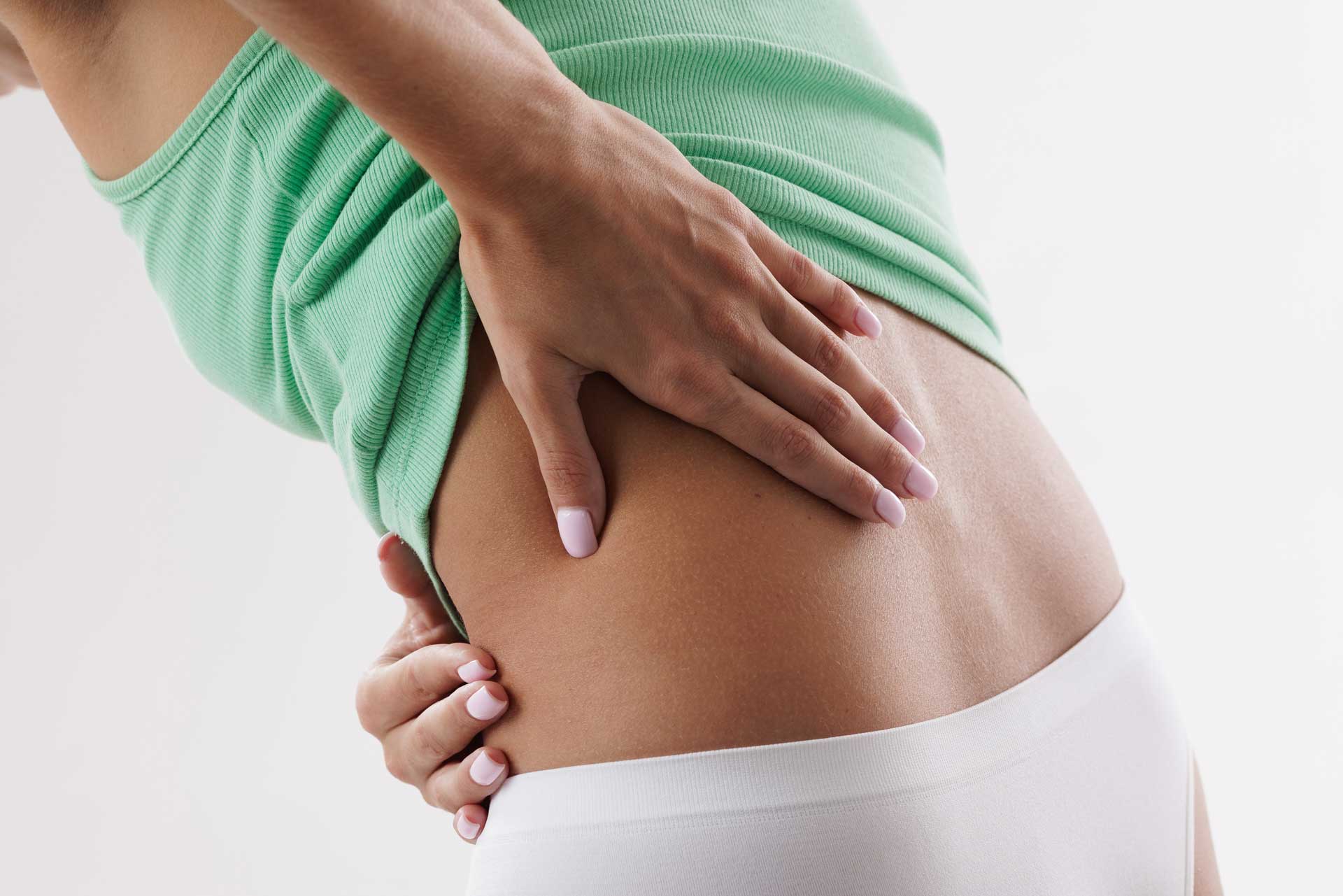
The symptoms of a slipped disc can vary widely. Some individuals experience only mild discomfort, while others face debilitating pain that affects daily activities. Common symptoms include:
Diagnostic Techniques
Accurate diagnosis is critical for effective treatment. The process typically begins with a detailed clinical history and physical examination. Your healthcare provider may also recommend:
It is important to note that while imaging studies can reveal the extent of disc herniation, the correlation between imaging findings and symptoms is not always direct. Therefore, treatment decisions are typically based on a combination of clinical evaluation and diagnostic imaging.
For many patients, non-surgical treatments provide significant relief and improved quality of life without the risks associated with surgery. MHV Clinic believes in a conservative, evidence-based approach tailored to the individual’s needs.
Pain Management and Medication
In the acute phase, managing pain and inflammation is paramount. Common strategies include:
Physical Therapy and Exercise
Physical therapy is a cornerstone of non-surgical treatment. A personalised exercise program can:
Lifestyle Modifications
In addition to targeted therapy, lifestyle modifications play a crucial role in recovery and prevention:
What Is Osteopathy?
Osteopathy is a holistic approach to healthcare that emphasises the interrelationship between structure and function in the body. Osteopaths use manual techniques to diagnose, treat, and prevent musculoskeletal issues. Their approach is rooted in the belief that the body can heal itself when properly supported.
Osteopathic Techniques for Slipped Disc Relief
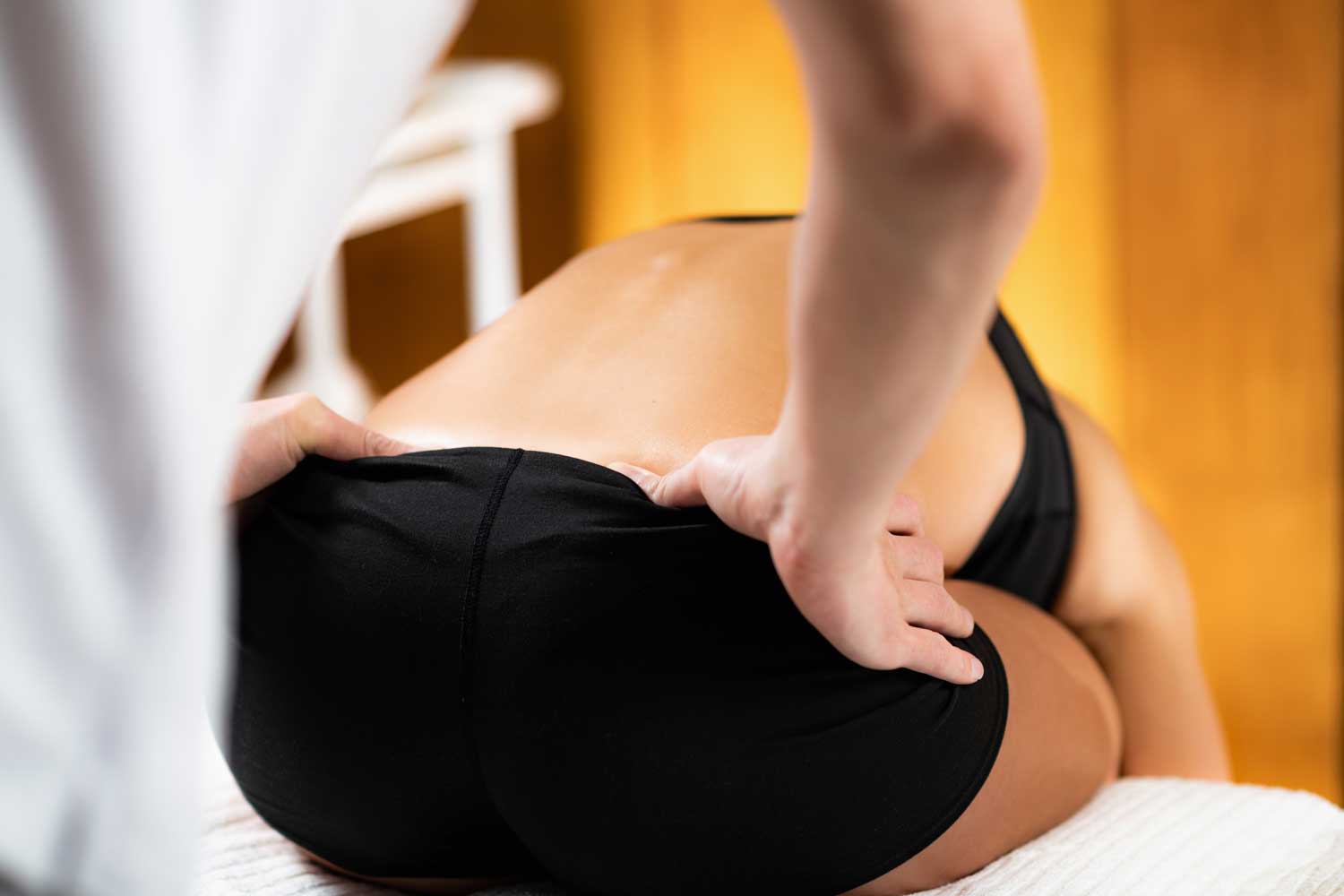
At MHV Clinic, our osteopathic practitioners apply various techniques to restore balance and promote healing. These techniques may include:
Benefits of Osteopathy
The benefits of osteopathic treatment for a slipped disc include:
The personalised nature of osteopathic care means that each treatment plan is tailored to the patient’s specific symptoms, lifestyle, and overall health goals.
We start with a thorough assessment that includes:
From this, your osteopath can plan hands-on treatment, exercise advice and lifestyle changes suited to you. We review your progress at each visit and adjust the plan, and we will refer you on if your symptoms suggest you need medical care.
Importance of Lifestyle in Spinal Health
Beyond manual therapies, lifestyle modifications are crucial in recovery and prevention. A holistic treatment plan addresses several key areas:
Practical Tips for Daily Life
Here are some practical strategies to incorporate into your daily routine:
Ergonomic Adjustments at Home and Work
Adopting ergonomically sound practices can significantly lower your risk of developing or worsening a slipped disc:
The terms are often used interchangeably. A slipped disc is a general term for a disc that has moved out of its normal position, and a herniated disc is one where the soft centre pushes through the tougher outer layer. Symptoms and management are similar.
Recovery varies widely with the severity of the problem, your general health and how you manage it day to day. Many people improve over weeks to months, but if symptoms persist or worsen, see your GP.
No. Most are managed without surgery. Surgery is usually considered only when other measures have not helped and there is significant nerve involvement.
Osteopaths assess each person before treating and adapt techniques to the individual. As with any treatment, there are risks, and we will not treat if your symptoms suggest it would be unsuitable.
Seek urgent medical help, such as NHS 111 or A&E, if back pain comes with loss of bladder or bowel control, numbness around the groin or inner thighs, or worsening weakness in a leg. For general guidance, see the NHS page on slipped discs.
If you would like an assessment, our osteopaths at Mappin House, 4 Winsley Street, London W1W 8HF, can talk through your symptoms and options. Results vary from person to person, and the information on this page is educational and not a substitute for medical advice.
Book an appointment or see our fees.