Can an Osteopath Help with a Herniated Disc? Exploring Disc Herniation Osteopath Approaches

Our expert guide explains how an osteopath can help manage disc herniation symptoms with a holistic, gentle approach. It also discusses benefits, techniques, and safety considerations.

Herniated Disc Osteopath

Disc herniation is a common condition that can cause significant discomfort and limit daily activities. This guide explains the role osteopathy may play in managing it, the techniques osteopaths use, and what you can realistically expect.

Disclaimer: The information provided in this article is for educational purposes only and should not replace professional medical advice. Always consult a qualified healthcare provider for a diagnosis and personalised treatment recommendations.

Understanding Disc Herniation

What Is a Herniated Disc?

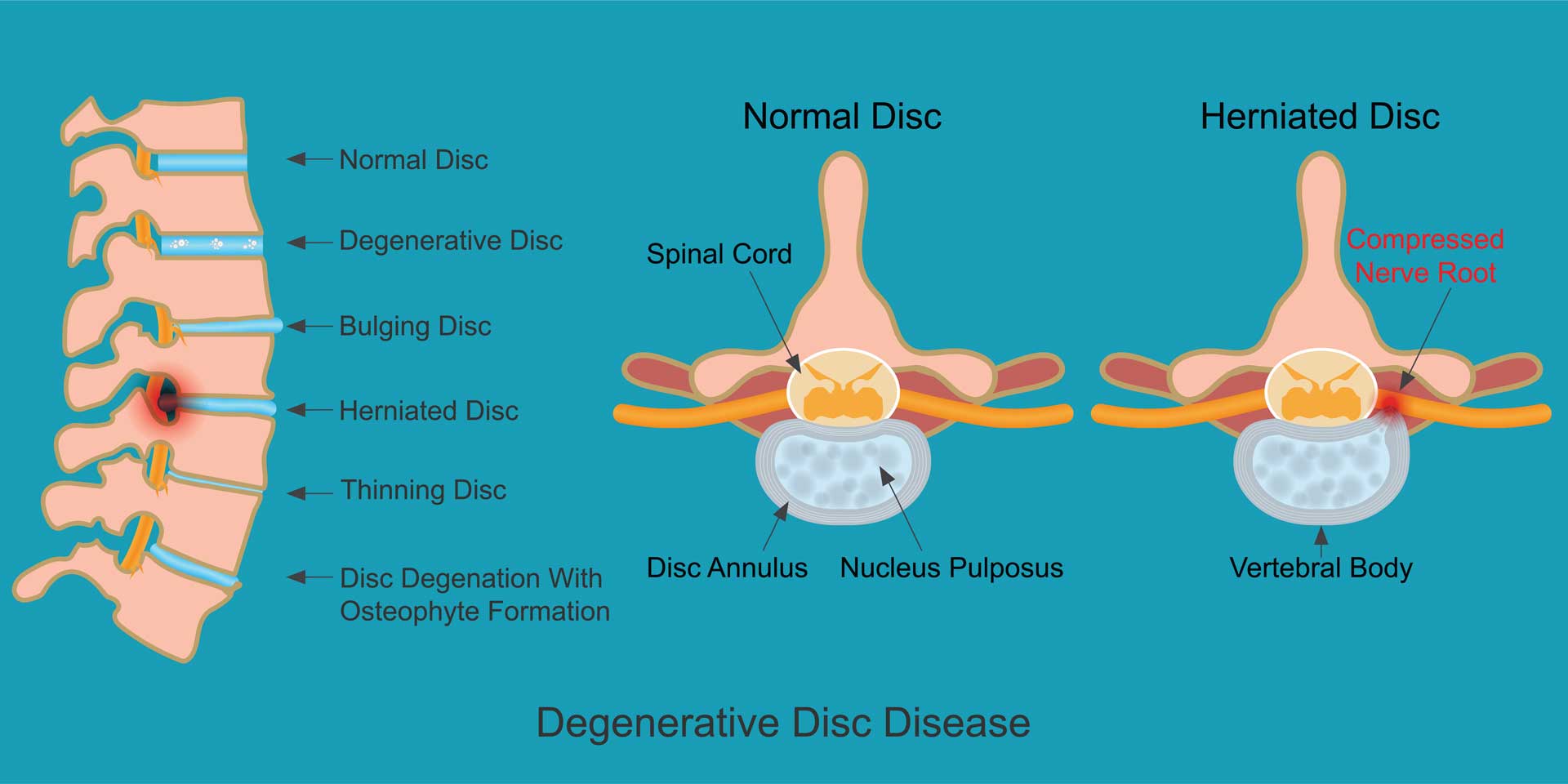
A herniated disc occurs when a spinal disc’s soft inner core (nucleus pulposus) pushes through a tear or weakness in the more rigid outer layer (annulus fibrosus). This protrusion can irritate or compress adjacent nerves, leading to pain, numbness, and weakness, particularly in the back, neck, or limbs. Moreover, disc herniations can vary in severity; while some individuals experience mild discomfort, others may face debilitating symptoms that affect their quality of life.

Causes and Risk Factors

Disc herniation typically results from a combination of age-related degeneration and mechanical strain. Although the natural ageing process can weaken discs over time, several factors can accelerate this process:

  • Repetitive Strain: Repeated bending, twisting, or lifting of heavy objects can stress the discs.
  • Injury: Sudden trauma from accidents or sports can lead to disc herniation.
  • Genetics: A family history of spinal conditions may increase susceptibility.
  • Lifestyle Factors: Poor posture, sedentary habits, and obesity can contribute to disc degeneration.

In addition, while many people benefit from lifestyle modifications and preventive measures, the symptoms can sometimes persist, prompting individuals to explore alternative therapies.

Symptoms and Diagnosis

The symptoms of a herniated disc vary widely depending on the location and severity of the herniation. Common symptoms include:

  • Localised back or neck pain
  • Radiating pain in the arms or legs (sciatica)
  • Tingling or numbness in the extremities
  • Muscle weakness or spasms

Healthcare professionals typically diagnose disc herniation using a combination of patient history, physical examinations, and imaging tests such as MRI or CT scans. Accurate diagnosis is essential to determining the most appropriate treatment strategy.

Osteopathy: A Holistic Approach to Musculoskeletal Health

What Is Osteopathy?

Osteopathy is a holistic healthcare practice emphasising the interrelationship between the body’s structure and overall function. Osteopaths use various manual techniques to promote the body’s natural healing abilities, focusing on restoring balance and reducing pain. Unlike conventional treatments that might rely solely on medication or surgery, osteopathy integrates physical manipulation, lifestyle advice, and exercise guidance to address the underlying causes of discomfort.

The Principles of Osteopathic Medicine

Osteopathic care is founded on several key principles:

  • Holistic Care: The belief that the body is an integrated whole with interrelated systems.
  • Self-Healing: A focus on stimulating the body’s inherent ability to heal itself.
  • Structure-Function Relationship: The concept that the body’s structure and function are interconnected, meaning that issues in one area may affect other body parts.
  • Patient-Centred Approach: Treatments are tailored to each individual’s condition, lifestyle, and needs.

These principles underscore why osteopathy is a practical complementary approach for conditions like disc herniation.

How Osteopathy Can Help with Disc Herniation

Addressing Musculoskeletal Imbalances

Regarding disc herniation, osteopathic treatment primarily aims to alleviate the stress on the affected disc and surrounding tissues. Osteopaths employ several techniques that work together to:
  • Reduce Inflammation: Gentle manipulations can help decrease local inflammation, which may relieve nerve pressure.
  • Improve Mobility: Techniques that enhance joint and muscle mobility can reduce stiffness and improve overall movement.
  • Restore Balance: Osteopathic treatment can help redistribute weight and pressure along the spine by correcting imbalances in posture and movement, thereby reducing strain on the herniated disc.
Techniques Commonly Used in Osteopathic Treatment
  1. Soft Tissue Manipulation:
  2. Osteopaths use manual pressure and massage to relax tight muscles and improve blood circulation. This approach eases pain and prepares the body for other therapeutic techniques.
  3. Spinal Mobilisation and Manipulation:
  4. Gentle adjustments and spine mobilisation can help reposition the affected vertebrae and reduce nerve compression. These techniques are performed precisely to avoid undue force that could exacerbate the condition.
  5. Stretching and Exercise Guidance:
  6. In addition to hands-on techniques, osteopaths often recommend specific exercises and stretches. These exercises aim to strengthen the muscles supporting the spine, improving stability and reducing the likelihood of further disc damage.
  7. Postural Education:
  8. Since poor posture is a common contributor to disc herniation, osteopaths work with patients to develop better posture habits. This education may include advice on ergonomics, proper lifting techniques, and daily posture adjustments.
Herniated Disc Osteopath

Integrating Osteopathy with Conventional Medical Treatments

Osteopathic treatment is not a standalone cure for every disc herniation. Many people are advised to combine it with other care, such as:

  • Exercise and rehabilitation: Guided exercises can complement hands-on treatment.
  • Medication: Your GP may suggest pain relief or anti-inflammatory medicines for acute symptoms.
  • Specialist referral: In more severe cases, or if symptoms persist, your GP may refer you for specialist assessment, and surgery is occasionally needed.

We will tell you if we think you need this kind of input.

The Benefits of Osteopathic Treatment for Disc Herniation

Easing Pain and Discomfort

Osteopathic care aims to help with the pain that comes with a disc herniation. Through hands-on techniques, an osteopath may be able to:

  • Ease muscle tension: Relaxing tight muscles around the spine can reduce the strain on the affected area.
  • Calm irritated tissues: Gentle mobilisation may help settle pain that spreads into the buttock or leg, although this varies from person to person.
Improving Mobility and Function

Treatment also looks at stiff joints and muscle imbalances. Some people find they can:

  • Move more easily: Reduced stiffness can make everyday activities more comfortable.
  • Improve their posture: Advice on posture and positions can take some of the strain off the spine.
Supporting Recovery

Many disc herniations settle over time. While that happens, osteopathic care may help by easing symptoms and guiding a gradual return to activity, with exercises you can do at home. Results vary, and we cannot promise a particular outcome.

A Non-Invasive Approach

Osteopathic treatment does not involve surgery or medication, and techniques are adjusted to suit you. As with any hands-on treatment, some soreness afterwards is possible, and your osteopath will check for signs that you need medical assessment instead.

The Osteopathic Approach to Managing Disc Herniation

Initial Assessment and Diagnosis

The first step in osteopathic care is a thorough assessment. During this initial consultation, the osteopath will:

  • Review Medical History: Understanding the patient’s overall health, previous injuries, and existing conditions is essential.
  • Conduct a Physical Examination: The osteopath will assess posture, range of motion, and any areas of tenderness.
  • Discuss Symptoms and Lifestyle: Open communication about pain levels, daily activities, and ergonomic habits helps tailor the treatment plan.

This comprehensive evaluation ensures the treatment is personalised and addresses the factors contributing to the disc herniation.

Developing a Personalised Treatment Plan

After the initial assessment, the osteopath will develop a treatment plan that may include a combination of manual therapies, exercise recommendations, and lifestyle modifications. The plan is designed to be flexible, allowing adjustments based on the patient’s progress and feedback. Key elements of a successful plan include:

  • Regular Treatment Sessions: Consistent therapy sessions help maintain improvements in mobility and pain relief.
  • Home Exercise Programs: Patients are often provided with exercises and stretches to perform at home, reinforcing the benefits of in-clinic treatments.
  • Monitoring and Feedback: Regular follow-ups allow the osteopath to track progress and adjust the treatment plan.

Addressing Contributing Factors

It is important to note that disc herniation is rarely caused by a single factor. Instead, a combination of mechanical stress, lifestyle habits, and underlying health conditions often contribute to the problem. Therefore, a practical osteopathic approach will:

  • Focus on the Entire Body: Rather than solely targeting the affected disc, osteopathy considers the whole body, including muscles, joints, and connective tissues.
  • Incorporate Preventative Measures: Educating patients on proper ergonomics and body mechanics can help prevent future episodes of disc herniation.
  • Emphasise Long-Term Wellness: Ultimately, the goal is to treat symptoms and promote overall musculoskeletal health and long-term well-being.

Evidence and Research on Osteopathy and Disc Herniation

What the Evidence Says

Research into osteopathic treatment specifically for disc herniation is limited. Broader guidance on low back pain and sciatica, such as NICE guideline NG59, says manual therapy can be considered, but only as part of a package of care that includes exercise.

How We Apply This

For that reason, hands-on treatment at MHV Clinic is combined with advice and exercise rather than used on its own. We will be open about what we think treatment can and cannot do for you.

Working With Your GP

If your symptoms suggest something that needs medical assessment, or you are not improving as expected, we will say so and suggest you see your GP.

What to Expect During an Osteopathic Treatment Session

The Consultation Process

A first session begins with a detailed consultation, in which the osteopath takes your medical history, discusses your symptoms and any recent changes in your condition or lifestyle. This sets the stage for a treatment approach tailored to you.

The Hands-On Techniques

During treatment you may experience a variety of hands-on techniques, such as:

  • Gentle mobilisation: Soft, controlled movements to relieve muscle tension and improve joint mobility.
  • Soft tissue work: Massage-style techniques to ease tight muscles around the spine.
  • Muscle energy techniques: Guided movements that help release tension in tight muscles.

Throughout the session you are encouraged to tell your osteopath how it feels, so treatment stays comfortable.

Post-Treatment Advice and Home Care

After a session, osteopaths often advise on managing symptoms at home, which may include:

  • Simple exercises: Stretches and exercises to help maintain mobility and strength.
  • Lifestyle adjustments: Tips on posture and daily activities that reduce strain on the spine.
  • Follow-up appointments: Further sessions, if needed, to review progress and adjust the plan.

Safety Considerations and When to Seek Further Medical Advice

Who May Want to Consider Osteopathic Treatment?

Osteopathic care may suit some people but not everyone. It may be worth considering if you:

  • Have mild to moderate symptoms: Those with manageable pain and some limits on movement may find it a useful part of their recovery.
  • Want to combine approaches: You can use osteopathic treatment alongside other care, such as physiotherapy or medication prescribed by your doctor.
  • Want help with posture and movement: Advice on posture and muscle balance can help you manage symptoms day to day.
Recognising When You Need Medical Help

In some situations you need medical assessment rather than, or as well as, osteopathic care:

  • Severe or worsening symptoms: If symptoms worsen, or you notice significant weakness, numbness in the groin or loss of bladder or bowel control, seek urgent medical help.
  • Not improving: If you have not improved after a reasonable period of treatment, speak to your GP so the plan can be reassessed.
  • Complex medical conditions: If you have other health problems, you may need input from a specialist.
Choosing a Qualified Practitioner

Check that your osteopath is registered with the General Osteopathic Council, and make sure they explain what treatment involves and ask for your consent. Tell them about any side effects or concerns.
What to Expect

What to Expect at Your Appointment

At your first visit your osteopath will take a full history and examine how you move, including checks to rule out signs that need urgent medical attention. They will then explain what they have found and what treatment, if any, they recommend.

  • Hands-on treatment: Gentle soft tissue work and joint mobilisation, adapted to what is comfortable for you.
  • Exercise and self-care advice: Simple things you can do at home between sessions.
  • A review of progress: We will check how you are responding and adjust the plan or refer you on if needed.

Every person responds differently, so we do not promise particular results or a set number of sessions.

Integrating Osteopathy into Your Health Regimen

Combining Treatments

Disc herniation is often managed with more than one type of care. Osteopathy can sit alongside exercise, medication and other treatment from your GP or a specialist. Working with other health professionals can mean a fuller assessment and a plan that suits you, although how well any combination works varies between people.

Making Informed Decisions

Before starting any treatment, discuss your options with your GP or another healthcare provider. When considering osteopathic care, keep in mind:

  • Registration: Check the osteopath is registered with the General Osteopathic Council.
  • Experience: Ask whether they regularly treat back and spinal complaints.
  • Your goals: Tell your osteopath about your symptoms, concerns and goals so treatment can be tailored.

The Future of Osteopathy and Disc Herniation Management

Conclusion

Osteopathy may be a useful part of managing a disc herniation for some people, mainly by easing muscle tension, helping you keep moving and guiding a gradual return to activity. The evidence specific to disc herniation is limited, so treatment is best combined with exercise and, where needed, other medical care.

If you have severe or worsening symptoms, such as marked weakness, numbness in the groin or loss of bladder or bowel control, seek urgent medical help. Otherwise, if you would like an assessment, you can book an appointment online or see our fees.

This article is for general information and does not replace advice from your doctor or another healthcare professional.
