
-
Where does it hurt?
Common conditions
Treatments
- Fees
- Corporate DSE
- Programs
- Shop
- Contact
Mappin House, 4 Winsley St, London W1W 8HF
Mappin House, 4 Winsley St, London W1W 8HF
Slipped disc symptoms, causes and how an osteopath can help, with guidance on when to see your GP.
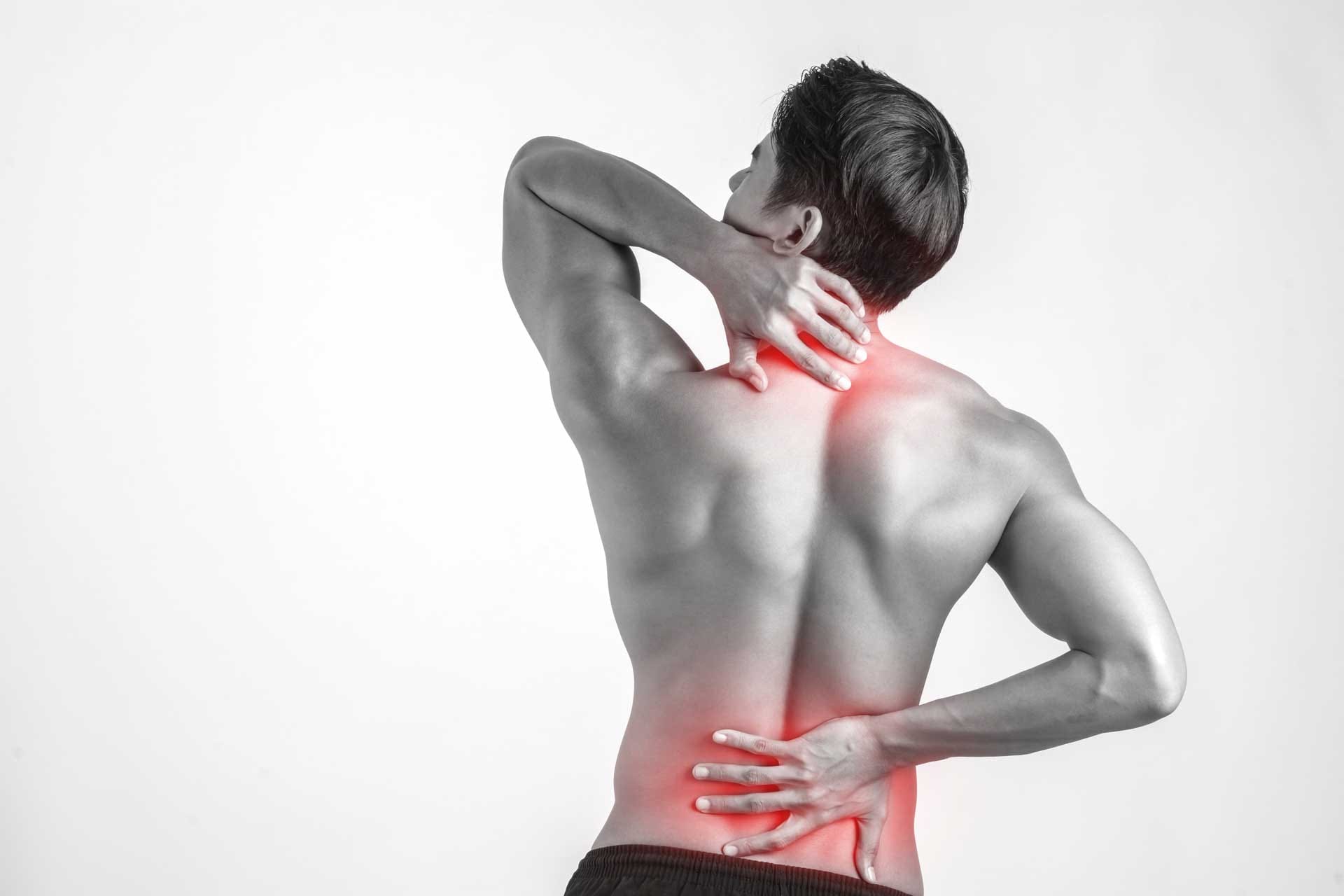
A slipped disc can be painful and disruptive. This guide explains what happens, how it is assessed and how an osteopath may be able to help.
Disclaimer: this article is for information only and does not replace medical advice. If you have severe pain or worrying symptoms, speak to a healthcare provider promptly.
A Slipped disc, often called a herniated or slipped disc, occurs when a spinal disc’s soft, gel-like centre pushes through a tear in the more rigid exterior casing. This condition is most common in the lumbar (lower back) region but can also occur in the cervical (neck) region.
In a healthy spine, the discs act as shock absorbers between the vertebrae, ensuring smooth movement and reducing impact during daily activities. However, these discs can become compromised due to wear and tear, injury, or excessive strain. As a result, the nucleus pulposus, the central component, can escape, potentially irritating nearby nerves and leading to pain, numbness, or weakness.
Management is usually non-invasive at first and aims to relieve pain, improve mobility and support recovery.
Understanding a Slipped disc’s underlying causes and symptoms is crucial in determining the most effective treatment strategy.
Symptoms of a Slipped disc vary depending on the severity and location of the herniation:
Because symptoms may overlap with other conditions, seeking a professional diagnosis for appropriate treatment is essential. For more detailed medical information, resources like the NHS and Mayo Clinic provide comprehensive guides on spinal health.
Before beginning any treatment regimen, it is imperative to receive an accurate diagnosis. A healthcare provider may use several diagnostic tools to evaluate a suspected Slipped disc:
It is advisable to seek help when you experience severe pain, persistent numbness, or muscle weakness, as these symptoms may indicate nerve compression. If symptoms do not improve, speak to your GP or book an osteopathic assessment.
Furthermore, early intervention can prevent complications, reduce pain, restore mobility, and improve quality of life. Always remember that a prompt diagnosis and treatment plan can prevent long-term damage.

Osteopaths look at the whole body, not just the sore area, because the way the back, hips and posture work together can affect how a disc behaves. At MHV Clinic your osteopath may use:
Not everyone is suitable for every technique, so a full assessment comes first. Osteopathy is not a replacement for medical care: if your symptoms suggest nerve involvement or something more serious, we will advise you to see your GP. The evidence for osteopathic treatment of disc-related pain is limited, and results vary from person to person. For national guidance on low back pain and sciatica, see NICE NG59.

The terms are often used interchangeably. Both describe disc material pushing beyond its normal boundary, which can irritate nearby nerves.
An osteopath may be able to ease muscle tension, improve movement and give advice that supports recovery. It does not remove the need for medical care if you have nerve symptoms.
If pain becomes severe, or you notice loss of bladder or bowel control, numbness around the groin or worsening leg weakness, get urgent medical help.
A slipped disc can be uncomfortable, but most cases are managed without surgery. If you would like an osteopathic assessment, our team at Mappin House, 4 Winsley Street, London W1W 8HF, can explain what they find and when to involve your GP.
Book an appointment or see our fees.